

How Technology Is Changing the Way Fencing Contractors in Sydney Plan Projects
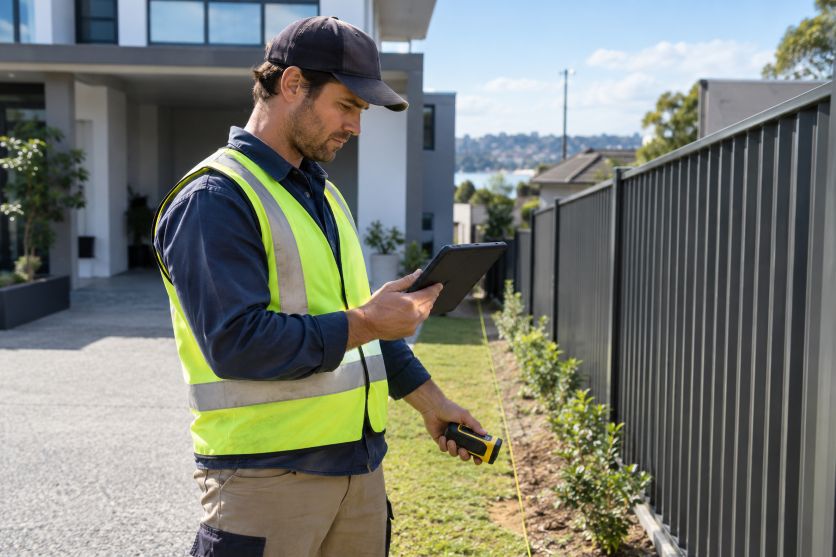
Digital technology is becoming a practical part of construction planning, even in trades where much of the physical work is still done by hand. From measuring boundaries to checking underground services, contractors can now gather and share important project information before posts, panels, or gates arrive on site.
For fencing contractors Sydney projects can involve sloping blocks, existing structures, utility services, access restrictions, and coordination with property owners. Digital tools can bring these details together earlier. This matters because SafeWork NSW notes that good planning and scheduling can address many common issues on construction sites and help reduce wasted time and cost.
Digital Measuring Makes the First Site Visit More Useful
Accurate measurements remain one of the foundations of fence planning. A small error can affect material quantities, post spacing, gate positions, and the final quote. Traditional tape measures still have a place, but laser measuring devices, digital levels, GPS-enabled tools, and mobile measuring apps can make site data easier to collect and organise.
The main advantage is not simply speed. Digital measurements can be stored with photographs, notes, and site plans. A contractor can record changes in elevation, unusual corners, retaining walls, driveways, and obstacles while inspecting the property.
This creates a clearer record when the team later prepares the estimate. It can also reduce reliance on handwritten notes that may be difficult for another worker to interpret.
Mapping Helps Contractors Understand What Is Around the Fence
A fence line may look straightforward from the surface, but underground infrastructure can change how work should be planned. Gas, electricity, water, and telecommunications assets may be located near areas where holes need to be dug.
Before You Dig Australia provides a free referral service through which people planning excavation work can request plans and safety information from relevant utility asset owners. Its digital service allows users to define the work area and receive available infrastructure information electronically.
This information is particularly relevant to fencing because post installation normally involves ground disturbance. SafeWork NSW advises businesses to obtain current information about underground essential services before excavation begins. The regulator also warns that damage to utilities can cause serious injury, service outages, project delays, and costly repairs.
Digital mapping also reflects a wider shift toward technology-supported site planning. Developments such as sensor-embedded materials show how construction and civil engineering are increasingly using connected data to understand ground conditions and infrastructure performance. For fencing projects, the technology may be simpler, but the principle is similar. Better site information can help contractors identify constraints earlier and plan work with fewer surprises.
Estimating Software Turns Site Data Into a Working Plan
Once measurements are collected, estimating software can help turn them into quantities, labour allowances, and project costs. Instead of rebuilding each estimate manually, contractors can use stored material prices and standard job components to create a more consistent process.
That can be useful when customers are comparing several configurations. A change from timber to metal fencing, for example, may affect material quantities, installation requirements, and labour. Updating a digital estimate can make those differences easier to communicate.
Software does not remove the need for professional judgement. Ground conditions, difficult access, demolition work, unusual boundaries, and custom gates may still require individual assessment. The technology works best as a planning aid rather than a replacement for site knowledge.
Project Platforms Keep Information in One Place
Fencing projects create more information than a simple quote. There may be photographs, measurements, supplier details, schedules, customer messages, drawings, safety documents, and changes requested after work has been approved.
Project-management platforms can provide one location for these records. Teams can assign tasks, update schedules, store documents, and record changes without relying on separate text messages or paper notes.
This also supports safer planning. SafeWork NSW requires a site-specific Safe Work Method Statement for high-risk construction work where applicable. The document must identify relevant hazards, risks, and controls and be accessible to people carrying out the work. Digital document systems can make current versions easier for teams to retrieve, although the contractor remains responsible for meeting the actual safety requirements.
Online Consultations Can Improve Early Communication
Some planning can now happen before a contractor visits the property. Customers can send photographs, measurements, plans, and examples of the type of fence they are considering. Video calls can also help clarify basic questions about access, gates, existing boundaries, and preferred materials.
This does not make physical inspections unnecessary. Photos may hide changes in ground level, drainage issues, vegetation, or obstacles. However, an online consultation can help define the project before a detailed site assessment takes place.
The result can be a more focused conversation. Customers know what information is needed, while contractors arrive with a better understanding of the proposed work.
Better Data Does Not Replace Good Site Planning
Technology is most valuable when it improves decisions rather than adding another layer of administration. A digital map can identify potential infrastructure concerns. An estimating platform can organise costs. A scheduling system can coordinate workers. None of these tools, however, removes the need to inspect real site conditions.
That distinction matters because fencing must respond to the physical environment. SafeWork NSW guidance on site fencing highlights factors such as uneven ground, wind, nearby public areas, secure installation, and surrounding conditions. These are practical details that still require observation and judgement on site.
What Changes as More of the Process Goes Digital?
The biggest change may be the connection between different stages of a fencing project. Measurements can feed into estimates. Site information can support scheduling. Utility plans can inform excavation decisions. Photos and project updates can give customers a clearer view of progress.
For Sydney fencing businesses, this creates an opportunity to make planning more structured without changing the hands-on nature of the trade. The fence still needs to be installed accurately and safely. Technology simply gives contractors better ways to collect information, identify problems earlier, and keep everyone working from the same plan.
As digital tools become easier to use on mobile devices, their role is likely to keep expanding. The most useful technology will be the technology that stays in the background, helping contractors plan carefully, communicate clearly, and arrive on site better prepared.