

Innovations in Automotive Safety: What’s New in Auto Glass and Driver Assistance Systems
“Accidents are not accidents when technology can prevent them.”
According to the National Highway Traffic Safety Administration, advanced driver assistance systems (ADAS) help reduce many serious crashes by automating safety functions and warning drivers of danger long before we react as humans do.
Vehicles aren’t just metal and rubber anymore. They’re integrated with sensors and advanced safety tech that rely on flawless auto glass. Imagine cruising down the highway and your car gently nudges you back into your lane while humming a polite “hey!”, that’s ADAS at work. It’s brilliant until the windshield gets cracked and someone replaces it without adjusting the sensors correctly. That’s where quality matters. Companies like Limitless Auto Glass mobile auto glass offer calibration services that make sure today’s smart safety tech keeps you safe instead of confused.
What Is ADAS and Why It Matters
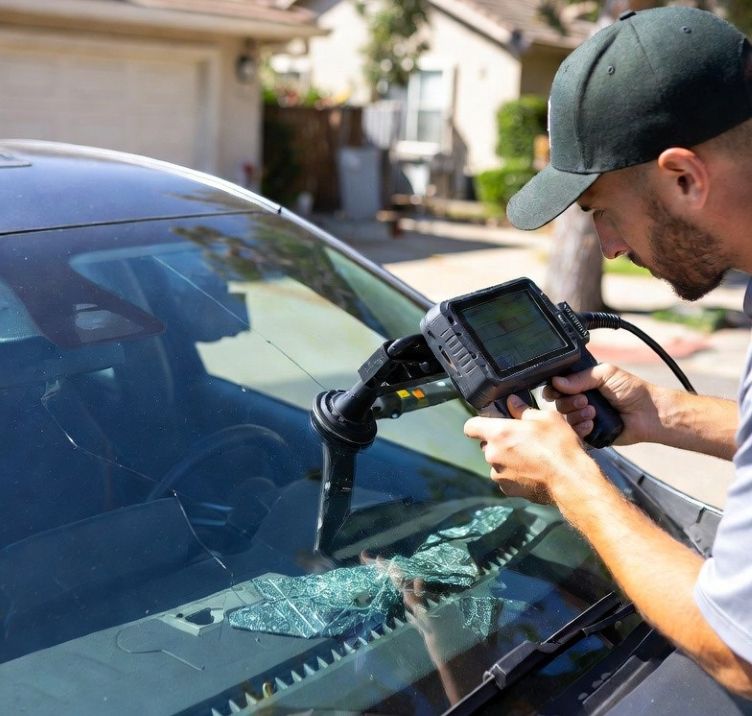
Advanced Driver Assistance Systems (ADAS) are a collection of electronic features designed to make driving safer. They include automatic emergency braking, adaptive cruise control, lane departure warnings, and blind spot detection. These systems use cameras, radars, and sensors placed around the vehicle to read road conditions and potential hazards. Think of them as a second set of eyes, only faster and less prone to distraction.
Why does this matter? Because ADAS features are becoming standard even in more modest cars, not just luxury vehicles. They have a real impact on safety outcomes. For instance, lane departure warnings alone can reduce certain types of crashes by double-digit percentages. More advanced systems like automatic braking can react faster than a startled human, pushing the brake pedal or steering slightly to avoid a collision when you might just gasp.
Auto Glass: More Than Windshield Wipers and Wipers
Don’t let glass work be just about looking clean. Let it be about safety too.
Modern auto glass does more than keep bugs out of your coffee. Windshields today often house crucial ADAS components, particularly forward-facing cameras and sensors. These are usually mounted just behind the rearview mirror and calibrated to a precise angle that tells the car how to interpret the world. If that glass shifts even a millimeter, the camera’s perception of the road changes, like wearing slightly crooked glasses.
Here’s something that would make many drivers blink twice: even a tiny misalignment after windshield replacement can lead to serious safety problems. Lane‑keeping systems might steer the car off center, automatic braking could engage too late, or warnings could trigger constantly for no good reason, which frustrates drivers and hurts trust in the system.
Why Calibration Is Not Optional
Calibration is the process of realigning ADAS sensors and cameras after any interruption, such as windshield replacement. It ensures the system “sees” exactly how the manufacturer designed it to see. Without this step, the system could misread distances, lane lines, and obstacles (undermining the very safety benefits it promises). For maintaining all of your car’s electronic systems in top shape, it’s also smart to schedule a MOT check for your car’s wiring and computer systems.
Without recalibration:
- Your adaptive cruise control could misjudge the distance to the car ahead.
- Lane departure systems might misread faded or curved road lines.
- Automatic emergency braking may activate at the wrong time, or worse, fail to activate when needed.
Some people dismiss calibration as optional or a ploy to upsell services. There are debates among hobbyists online over necessity, but vehicle manufacturers and safety organizations generally agree, calibration restores your vehicle to the way it was designed to operate.
Tech Advances: Cameras, Lidar, and AI
Today’s ADAS systems are evolving rapidly. High‑resolution cameras see farther and clearer. Sensors such as lidar and radar triangulate distances in ways that were science fiction just years ago. These different forms of data are fused using algorithms that improve detection in rain, fog, and glare. While full self‑driving cars are still on the horizon, these building blocks are foundational to future automated vehicles.
But with sophistication comes fragility. The more sensors and data fusion a system relies on, the more critical precise calibration becomes. That windshield chip, once a cosmetic annoyance, now sits in the critical path of your car’s perception system. Fixing it properly is a matter of safety, not aesthetics.
Choosing Quality Over Cheap Fixes
When you need glass replacement, the lowest bid can be tempting. After all, who loves spending money on a cracked windshield? But when systems that protect lives depend on that glass being just right, cutting corners is a gamble you don’t want to take. Make sure your auto glass service includes ADAS calibration and uses the right tools and trained technicians to get it right.
If you skip this step, you might save a few dollars today but pay with unpredictability on the road tomorrow. As your car gets smarter, your standards for service should too.
Conclusion
Today’s cars are more than machines; they’re safety platforms that combine hardware and software to protect you. ADAS is here to help, and as clever as it is, it still depends on basic things like where the camera is pointed and how well sensors are aligned. After windshield work, calibration is essential. Choosing a service that understands this blend of glass and tech, like a trusted provider of Limitless Auto Glass mobile auto glass solutions, keeps your systems working as intended and you driving safer.