Unlocking Online Visibility: A Deep Dive into the Mechanics of Link Building Services

Technology Link Building

Achieving online visibility is crucial for businesses looking to thrive in the competitive market. As more and more consumers turn to search engines like Google to find products and services, it has become paramount for businesses to understand and leverage effective SEO strategies. One such strategy that holds immense potential in boosting a website’s visibility are link building services that works. In this comprehensive guide, we will delve into the mechanics of link building services and explore how they can help propel your website to the top of Google’s search rankings.

Understanding Link Building

Link building, at its core, involves obtaining hyperlinks from external websites that direct users to your own. These hyperlinks, commonly referred to as backlinks, serve as bridges connecting one website to another. From an SEO standpoint, backlinks hold immense significance as they contribute to establishing a website’s authority, relevance, and credibility. Major search engines, including Google, view backlinks as valuable endorsements from other websites, affirming the presence of valuable and trustworthy content on your website.

Quality over Quantity

When it comes to link building, the age-old adage “quality over quantity” holds true. Gone are the days when amassing a large number of backlinks was enough to boost your website’s rankings. In today’s sophisticated algorithms, search engines prioritize the quality and relevance of backlinks. A single authoritative backlink from a high-ranking website carries more weight than multiple low-quality backlinks.

Natural Link Acquisition

The most effective and sustainable way to acquire backlinks is through natural link acquisition. This involves creating valuable, engaging, and shareable content that naturally attracts backlinks from other websites. By consistently producing high-quality content, you position your website as a go-to resource within your industry, making it more likely for others to link back to your pages.

Guest Blogging and Influencer Outreach

Another powerful strategy for building backlinks is through guest blogging and influencer outreach. Guest blogging allows you to contribute well-crafted articles to reputable websites within your industry. By providing valuable content to their audience, you not only establish yourself as an industry expert but also earn a backlink to your website. Similarly, influencer outreach involves partnering with influential individuals in your niche to promote your content and secure backlinks.

The Importance of Anchor Text

Anchor text, which refers to the clickable text within a hyperlink, holds great importance in the link building process. It serves the purpose of providing both users and search engines with valuable context regarding the linked page’s content. When choosing anchor text, it is vital to find the right equilibrium between relevance and diversity. It is advisable to opt for descriptive anchor text that precisely reflects the content it is linking to, rather than relying on generic phrases or excessive insertion of keywords. This approach aids search engines in comprehending the relevance of the linked page and ultimately enhances the overall user experience.

Link Building Best Practices

To ensure your link building efforts yield optimal results, it is important to follow some best practices:

  1. Conduct thorough research: Identify authoritative websites within your niche that are likely to provide valuable backlinks.
  2. Create compelling content: Develop high-quality, informative content that serves as a valuable resource for your target audience.
  3. Foster relationships: Build connections with industry influencers, website owners, and bloggers who can help amplify your content and provide backlink opportunities.
  4. Keep track and analyze: Consistently monitor your backlink profile to identify any spammy or low-quality links, and promptly take necessary measures.
  5. Diversify your approach: Implement a diverse range of link building strategies to ensure a healthy and natural backlink profile.

You might also want to read about Revolutionizing Precision Manufacturing: Unleashing the Power of CNC Machining Services for a Thriving Society.

By incorporating these best practices into your link building strategy, you can enhance your website’s visibility, improve its search rankings, and drive organic traffic to your pages.


 

The Empowering Potential of Shade Cloth in Cinematic Technological Innovations

shade cloth lighting diffusion
image source: nofilmschool

In the world of cinematic technological innovations, the quest for achieving the perfect lighting conditions is a never-ending pursuit. Light plays a crucial role in setting the mood, conveying emotions, and capturing the essence of a scene. One often overlooked but incredibly valuable tool in this pursuit is shade cloth. This natural material can transform how filmmakers manipulate light, giving them greater control over their creative vision. In this article, we explore the various applications of shade cloth in empowering cinematic technological innovations and the significant impact it can have on the filmmaking process.

Harnessing the Power of Shade Cloth

Creating Controlled Lighting Environments

Shade cloth serves as an essential component in creating controlled lighting environments on film sets. By strategically placing shade cloth over windows or other sources of natural light, filmmakers can diffuse, block, or manipulate the incoming light to achieve the desired effect. This level of control is especially crucial when shooting scenes that require specific lighting conditions, such as a dimly lit room or a brightly lit outdoor setting. With shade cloth, filmmakers can shape the lighting to suit their artistic vision without relying solely on expensive lighting equipment.

Diffusing Harsh Light

Harsh sunlight or artificial lighting can create unflattering shadows, excessive glare, and uneven highlights, which can detract from the overall visual aesthetic of a scene. Shade cloth comes to the rescue by diffusing the light and softening its intensity. By placing shade cloth between the light source and the subject, filmmakers can achieve a more evenly distributed, gentle light that enhances the natural beauty of the scene and minimizes unflattering shadows. This technique is especially useful in portrait shots, where capturing the subject’s features and expressions in the most flattering way possible is essential.

Controlling Light Intensity

Shade cloth also offers filmmakers the ability to control light intensity. By adjusting the thickness and density of the shade cloth, the amount of light passing through can be finely tuned. This versatility allows filmmakers to create a range of lighting effects, from dimly lit atmospheres that evoke mystery and suspense to well-lit scenes that exude warmth and vibrancy. The ability to precisely control light intensity using shade cloth opens up endless possibilities for creative expression, enabling filmmakers to craft visually captivating and emotionally engaging narratives.

Enhancing Special Effects

In addition to its role in lighting, shade cloth can be a valuable asset in enhancing special effects in the world of cinema. When used in conjunction with projection techniques, shade cloth can create illusions of movement, simulate outdoor environments, or even replicate the appearance of certain objects or textures. Its versatility and flexibility make it a cost-effective alternative to more complex and expensive special effects equipment. By leveraging shade cloth, filmmakers can push the boundaries of their creativity, bringing their wildest imaginations to life on the silver screen.

Pushing the Boundaries of Cinematic Innovation

The utilization of shade cloth in cinematic technological innovations goes beyond individual scenes or specific lighting setups. It represents a mindset that embraces creativity, resourcefulness, and the willingness to experiment. Filmmakers who embrace the power of shade cloth demonstrate a commitment to pushing the boundaries of what is possible in the world of cinema.

Through the strategic use of shade cloth, filmmakers can create unique visual signatures, establish immersive atmospheres, and captivate audiences with stunning imagery. Furthermore, by incorporating shade cloth into their creative process, filmmakers can reduce their reliance on expensive lighting equipment and explore more sustainable and environmentally friendly production practices.

Read also: Transforming Outdoor Comfort: How Technology Has Revolutionized Awnings for an Enhanced Experience

Conclusion

Shade cloth may seem like a simple material, but its impact on cinematic technological innovations is profound. From creating controlled lighting environments to diffusing harsh light, controlling light intensity, and enhancing special effects, shade cloth empowers filmmakers to bring their creative visions to life in ways that were once unimaginable.

As the film industry continues to evolve, embracing the versatility and power of shade cloth can inspire a new wave of innovation and creativity. The collaboration between human ingenuity and this unassuming material has the potential to revolutionize the way we experience and appreciate the art of cinema. So, the next time you find yourself in a movie theater or enjoying a film at home, take a moment to appreciate the subtle yet powerful role that shade cloth plays in shaping the magic that unfolds on the screen before you.

Revolutionizing Precision Manufacturing: Unleashing the Power of CNC Machining Services for a Thriving Society

Technology CNC Machining Services

Precision manufacturing plays a pivotal role in the advancement of modern industries, enabling the creation of intricate components and products with exceptional accuracy and efficiency. Among the revolutionary technologies driving this evolution is Computer Numerical Control (CNC) machining. Leveraging the power of CNC machining services, industries are experiencing a transformational shift, propelling society towards unprecedented heights of productivity, innovation, and economic growth. This article explores the impact of CNC machining services on precision manufacturing and how they contribute to a thriving society.

  1. Enhanced Precision and Accuracy: CNC machining services have redefined precision manufacturing by offering unparalleled accuracy in the production of complex components. The integration of advanced software and control systems allows for precise movement of the cutting tools, resulting in exceptional dimensional accuracy and consistency. This level of precision opens doors to previously unimaginable design possibilities, enabling the creation of highly intricate and functional products across diverse industries such as aerospace, automotive, electronics, and healthcare.
  2. Improved Efficiency and Productivity: With CNC machining services, the days of manual labor and time-consuming processes are fading away. Computer-controlled automation streamlines the manufacturing workflow, eliminating human errors and increasing overall efficiency. CNC machines can operate 24/7, reducing production time and maximizing output. Additionally, these machines can swiftly switch between different tasks, making them adaptable to diverse manufacturing needs. The increased efficiency and productivity achieved through CNC machining services have a profound impact on industrial growth, job creation, and economic prosperity.
  3. Cost-effectiveness and Waste Reduction: CNC machining services offer a cost-effective solution for precision manufacturing. By automating the production process, companies can optimize material usage, reduce waste, and minimize the need for manual labor. The precise control and repeatability of CNC machines also minimize errors and rework, leading to significant cost savings. Additionally, the versatility of CNC machines enables the production of complex parts in a single setup, reducing the need for multiple machines and additional processing steps. This consolidation of manufacturing processes further contributes to cost-effectiveness and waste reduction.
  4. Design Flexibility and Innovation: The advent of CNC machining services has revolutionized design possibilities. Traditional manufacturing methods often impose limitations on intricate designs due to their complexity and production constraints. However, CNC machines can accurately reproduce intricate designs with ease, empowering designers and engineers to push the boundaries of innovation. Complex geometries, intricate patterns, and advanced features can be effortlessly incorporated into products, driving innovation across various industries and promoting technological advancement.
  5. Skilled Workforce and Job Opportunities: As CNC machining services become more prevalent, the demand for skilled operators and programmers increases. These advanced manufacturing systems require trained professionals capable of operating, programming, and maintaining CNC machines. Consequently, this creates new employment opportunities and drives the growth of specialized vocational training programs. A skilled workforce strengthens the manufacturing sector, stimulates economic development, and nurtures a thriving society.

Want to read more about technology? Read this article: Transforming Outdoor Comfort: How Technology Has Revolutionized Awnings for an Enhanced Experience

CNC machining services have become a cornerstone of precision manufacturing, revolutionizing industries and contributing to a thriving society. The exceptional precision, enhanced efficiency, cost-effectiveness, design flexibility, and job opportunities offered by CNC machining services fuel progress and innovation in diverse sectors. As technology continues to evolve, embracing CNC machining services will unlock new frontiers in manufacturing, empowering society to reach unprecedented levels of productivity, economic prosperity, and technological advancement.


A Quick Review of the History of Cordless Power Drills

Countless brands of power drills are in the UK market today, consumers are finding the guide on the cheapest cordless drill quite useful. Power tools, particularly power drills have evolved through centuries as simple devices first invented by Egyptians 3.000 years ago. It’s quite interesting that manually driven drills for boring holes on stones and granite slabs were already in use by the ancient civilizations.

How the Drill Technology Came To Be in the History of Mankind

The history of how the ancient Egyptians came up with the drill technology remains a mystery up to this date. Reports have it that even eminent Egyptologists are unable to offer clarity about the drilling procedures used to bore holes in hard stones like quartz and granite. The contention is that it’s not enough to base answers to questions about ancient Egyptian technology. It’s unclear how holes were drilled in quartz and granite materials used in building some architectural palace doors and gates of the pyramids.

Apparently, drills have taken different forms, sizes and uses during the Roman times through the mediaeval ages. These were the eras when construction of churches and castles necessitated boring holes in different building materials.

The Advent of Electric Drills

The electrically-powered drill came about in 1889, when Australians William Brain and Arnold Arnot came up with the idea of attaching a drill to an electric motor. After five years, Germans Carl and Wilhelm Fein developed a portable electric drill that was compact enough to fit in a user’s hand. During those early years of being a portable tool, the electric power drill, albeit corded, found varied use in the construction industry. The device had evolved into a versatile tool to which different attachments had expanded its functionality beyond creating holes but also in driving and hammering screws.

In 1917, the bright minds of Duncan Black & Alonzo Decker came up with the idea of giving the power drill a pistol-like trigger. The design, of course, made the power drill easier to handle and use. Portability is not complete if a user cannot bring it to places without electrical outlets. That is why in 1961, Black & Decker came up with the first cordless power drill using nickel-cadmium batteries as sources of electrical power.

In 1978, Japan’s Makita did something better, by using a removable and rechargeable 7.2 V nickel-cadmium battery pack. This made owning a cordless power drill affordable for many DIY enthusiasts. However, nowadays, there are numerous brands to choose from, all claiming to be the cheapest and best. It would be wise therefore to refer to the online guide published by ToolPick UK.

Transforming Outdoor Comfort: How Technology Has Revolutionized Awnings for an Enhanced Experience

electric awnings, technology-driven awnings. Technology continually shapes our lives; even the humble awning has radically transformed. Gone are the days of simple fabric coverings providing shade and protection. With the integration of cutting-edge technology, awnings have evolved into sophisticated outdoor solutions that offer enhanced comfort and a truly immersive experience. In Italy, technology-enhanced awnings (tende da sole) are available in Brescia. Let’s explore how technology has revolutionized awnings, making them a must-have addition to any outdoor space.


Smart Sensors: A Smarter Way to Shade

One of the most significant advancements in awning technology is the integration of smart sensors. These sensors, equipped with intelligent algorithms, can detect changes in weather conditions such as sunlight intensity, wind speed, and rain. With this information, awnings can automatically adjust their position, extending or retracting as needed to optimize shade coverage and protect against the elements. This automation level ensures you can enjoy your outdoor space comfortably without constantly adjusting your awning.

Motorized Operation: Effortless Convenience

Gone are the days of manually operating awnings with cumbersome hand cranks. Modern awnings feature motorized mechanisms that allow effortless extension and retraction with the touch of a button or a voice command. Whether lounging on your patio or hosting a gathering in your backyard, motorized awnings provide ultimate convenience. They can be easily controlled through smartphone apps or integrated with intelligent home systems, allowing you to adjust your awning remotely and personalize your outdoor experience.

Integrated Lighting: Creating Ambiance

Awnings now offer more than just shade; they create the perfect ambiance for any outdoor setting. You can illuminate your space with integrated lighting systems and extend its usability into the evening. LED lights embedded within the awning framework provide gentle, warm illumination, setting the mood for relaxation or entertainment. Whether enjoying a quiet evening outdoors or hosting a lively gathering, the combination of shade and integrated lighting will enhance your overall experience.

Energy Efficiency: A Sustainable Solution

As sustainability becomes increasingly essential, modern awnings are designed with energy efficiency in mind. Advanced materials and construction techniques ensure optimal thermal insulation, reducing the need for excessive air conditioning and lowering energy consumption. Additionally, some awnings are equipped with solar panels that harness the sun’s energy, providing power for lighting or other integrated features. By investing in an energy-efficient awning, you not only enhance your outdoor comfort but also contribute to a greener and more sustainable environment.

Enhanced Durability: Weathering the Elements

Technology has also improved the durability and resilience of awnings, allowing them to withstand various weather conditions. High-quality fabrics, such as acrylic and polyester blends, are now used to create awnings resistant to fading, mold, and mildew. Additionally, advanced coatings protect against UV rays, ensuring that your awning retains its vibrant color and functionality for years. With these advancements, you can enjoy the outdoors without worrying about the wear and tear caused by harsh weather conditions.

Related: If you are looking for the latest roofing technologies, check out this post – Exploring the Latest Roofing Technologies and How They’re Revolutionizing Home Renovations. 

Conclusion: Revolutionized Awnings for an Enhanced Experience

Technology has revolutionized awnings, transforming them from simple shade providers to sophisticated outdoor solutions. With intelligent sensors, motorized operation, integrated lighting, energy efficiency, and enhanced durability, modern awnings offer an unmatched outdoor experience. Whether seeking comfort, convenience, or a sustainable solution, today’s awnings have it all. So, embrace this technological advancement and elevate your outdoor space to new heights of comfort.

Revolutionizing Healthcare: The Cutting-Edge Technology of Medical Sterilizers

Medical Sterilizer

In healthcare, ensuring the safety and cleanliness of medical equipment is paramount. The importance of effective sterilization cannot be overstated, as it plays a crucial role in preventing the transmission of infectious diseases and maintaining a sterile environment for patient care. Over the years, advancements in technology have revolutionized the field of medical sterilization, leading to the development of cutting-edge sterilizers that are transforming healthcare practices.

Advancements in Medical Sterilization Technology

Gone are the days when healthcare providers relied solely on traditional methods such as Sada Medical Autoclave Sterilizer and chemical disinfection to sterilize medical instruments. While these methods have been effective to a certain extent, they often require lengthy sterilization cycles, use harsh chemicals, and may not be suitable for all types of equipment. Enter the new era of medical sterilizers, which offer innovative features and technologies that address these limitations and take healthcare sterilization to new heights.

Low-Temperature Sterilizers for Sensitive Instruments

One of the most notable advancements in medical sterilization technology is the adoption of low-temperature sterilizers. These devices utilize alternative methods such as hydrogen peroxide vapor, ozone, or ethylene oxide gas to achieve sterilization at lower temperatures. This is particularly beneficial for sensitive instruments that are susceptible to damage from high temperatures, including endoscopes, delicate surgical tools, and electronic devices. Low-temperature sterilizers not only reduce the risk of equipment damage but also offer faster turnaround times, allowing healthcare providers to improve efficiency and provide timely care to patients.

Robotic Sterilizers and Automation

Another groundbreaking technology in medical sterilization is the integration of robotics and automation. Robotic sterilizers can perform intricate sterilization processes with precision and consistency, eliminating the human error factor. These robotic systems are equipped with advanced sensors and artificial intelligence algorithms that enable them to detect and adapt to different types of instruments, ensuring thorough and effective sterilization. By automating the sterilization process, healthcare facilities can enhance productivity, reduce labor costs, and minimize the risk of contamination associated with manual handling.

Advanced Monitoring and Tracking Systems

Furthermore, the use of advanced monitoring and tracking systems has revolutionized the traceability of sterilized instruments. With the help of barcode or RFID technology, medical sterilizers can track each instrument throughout the entire sterilization cycle, from loading to unloading. This level of traceability ensures that instruments are properly processed and allows healthcare providers to maintain detailed records of sterilization history for compliance purposes. In case of any recalls or infections, the tracking system enables swift identification and removal of affected instruments, safeguarding patient safety and minimizing potential risks.

Connectivity and Cloud-Based Solutions

Additionally, the integration of connectivity and cloud-based solutions has transformed the management of medical sterilizers. With smart sterilizers, healthcare providers can remotely monitor and control the sterilization process, access real-time data and analytics, and receive alerts and notifications. This connectivity enables proactive maintenance and troubleshooting, ensuring uninterrupted operation of sterilizers and minimizing downtime. Furthermore, cloud-based platforms allow for seamless data sharing and collaboration, facilitating best practices and quality improvement across different healthcare facilities.

Innovations in Sterilization Packaging Materials

The revolution in medical sterilization technology is not limited to equipment sterilizers alone. Innovations in sterilization packaging materials have also played a vital role in enhancing the safety and efficiency of the sterilization process. Self-sealing pouches, sterilization wraps, and containers with built-in indicators for sterility verification have simplified and standardized packaging procedures. These materials are designed to maintain sterility and provide a protective barrier against contaminants, ensuring that instruments remain sterile until they are ready to be used. Such advancements in packaging materials complement the cutting-edge sterilizers, creating a comprehensive approach to infection prevention and control in healthcare settings.

Want to read more about technology? Try this article: Unraveling the Wonders of Technology

Conclusion: Transforming Healthcare through Technological Innovations

The field of medical sterilization has experienced a remarkable transformation in recent years, thanks to the advent of cutting-edge technology. Low-temperature sterilizers, robotic systems, advanced monitoring and tracking, connectivity, and innovative packaging materials have revolutionized the way healthcare providers approach sterilization processes. These advancements not only enhance patient safety but also improve efficiency, reduce costs, and enable better compliance with regulatory standards. As technology continues to evolve, we can expect even more groundbreaking innovations in medical sterilization, further revolutionizing healthcare and shaping the future of patient care.


Technology Can Help Shipping Company Grow

Technology has become an essential part of running a successful business. It can help companies grow and increase efficiency by automating mundane tasks, streamlining processes, and providing data-driven insights. With the right technology, pick and ship companies can reduce costs and increase productivity. From cloud computing to artificial intelligence, there are many tools available to help companies reach their goals.

How technology can help pick and ship companies

Technology has become an integral part of modern life. It is no surprise that businesses are turning to it to help them achieve their goals. Technology can help companies increase efficiency, reduce costs, and even gain a competitive edge over their competitors. From automation solutions to cloud computing, there are many ways that companies can use technology to improve their operations.

The digital age has ushered in a new era of competition, and companies must leverage technology to keep up. From utilizing cloud-based software to streamline operations, to leveraging AI and machine learning to analyze customer data and create personalized experiences, technology has become an essential tool for businesses that are looking to succeed. With the right technology tools, companies can increase efficiency and gain a competitive edge in the digital age.

pick and ship companies

How companies can leverage advanced technologies to improve efficiency

In today’s world, companies are facing an ever-increasing demand to stay competitive and remain efficient. Advanced technologies such as artificial intelligence (AI), machine learning (ML), and robotic process automation (RPA) can help businesses to achieve this goal by streamlining their processes, automating mundane tasks, and providing data-driven insights. Through these technologies, companies can improve their efficiency significantly.

Harness the power of technology to maximize your company’s growth potential

Companies that embrace technology can gain a competitive edge and maximize their growth potential. With the right technology, companies can streamline processes, automate tasks, and increase efficiency. Companies can also use technology to gain insights into customer behavior, optimize marketing efforts, and develop new products and services.

With the rapid advancement of technology, companies now have the ability to gain valuable insights into customer behavior, optimize marketing efforts, and develop new products and services. Through data analytics and artificial intelligence, companies can measure customer feedback and preferences in real time. By analyzing this data, businesses can create more effective campaigns that target their desired audience more effectively. Additionally, AI-enabled solutions can help companies develop new products and services that are tailored to the needs of their customers.

Taut Tech: The Innovative Art of Carpet Stretching

carpet stretching tool

Are you tired of walking on wrinkled, loose carpets? Do you wish to bring back the pristine beauty and comfort of your flooring? Look no further! Welcome to the world of taut tech and the innovative art of carpet stretching. This article will explore the techniques, benefits, and importance of carpet stretching, ensuring that your carpets look visually appealing and provide a long-lasting foundation for your interior space.

Understanding the Significance of Carpet Stretching

Carpets play a crucial role in enhancing the aesthetics of a room while providing a soft and comfortable surface to walk on. Over time, however, carpets can become loose and develop wrinkles or bulges for various reasons, including poor installation, heavy foot traffic, or environmental factors. These imperfections not only diminish the overall appearance of your space but can also pose safety hazards and lead to premature wear and tear.

Carpet stretching, as the name suggests, involves tightening and repositioning carpets to eliminate wrinkles, lumps, and bumps. It requires skill, precision, and specialized tools to achieve a taut and smooth carpet surface. Restoring the integrity of your carpets through stretching allows you to enjoy several benefits beyond mere visual appeal.

The Advantages of Professional Carpet Stretching

  1. Enhanced Safety: Loose and wrinkled carpets can be a tripping hazard, especially for children, the elderly, or individuals with mobility challenges. Investing in professional carpet stretching can eliminate these safety risks and create a secure environment within your home or commercial space.

  2. Extended Carpet Lifespan: Wrinkles and bulges in carpets can cause excessive fiber stress, leading to premature wear and tear. By eliminating these imperfections through stretching, you can help prolong the life of your carpets and protect your investment.

  3. Improved Indoor Air Quality: Loose carpets create pockets of trapped dust, dirt, and allergens, which can negatively impact the indoor air quality of your space. Stretching your carpets helps remove these particles and prevents them from accumulating in the future, promoting a healthier living or working environment.

  4. Restored Visual Appeal: An adequately stretched carpet presents a smooth and uniform surface, instantly enhancing the overall aesthetic appeal of any room. Whether preparing your property for sale, hosting guests, or simply seeking a more polished ambiance, carpet stretching can transform the look and feel of your space.

  5. Enhanced Acoustic Properties: Loose carpets often produce annoying sounds, such as creaks or squeaks, when walked upon. By eliminating wrinkles and securing the carpet firmly to the subfloor, stretching reduces or eliminates these noises, creating a quieter and more peaceful environment.

The Art of Carpet Stretching: Techniques and Process

Professional carpet stretching requires expertise and a systematic approach to achieve optimal results. Here is a step-by-step breakdown of the process involved in restoring your carpets to their original tautness:

1. Initial Assessment

A trained professional begins by inspecting the carpet, identifying areas of concern, and evaluating the extent of stretching required. This assessment helps determine the best course of action and addresses any underlying issues, such as damaged carpet padding or subfloor problems.

2. Furniture Removal

To create an open work area, furniture, and other items are carefully moved away from the carpeted space. This step ensures that the stretching process can be carried out efficiently without causing any damage to the surrounding objects.

3. Power Stretching

Power stretching is the primary technique used to tighten the carpet. The professional employs a specialized stretching tool, known as a power stretcher, to apply controlled tension along the length and width of the carpet. This tool grips the carpet at one end and stretches it while simultaneously attaching it to the tack strips at the room’s perimeter.

4. Trimming and Reinstallation

Once the carpet is adequately stretched, any excess material is trimmed off, and the edges are neatly tucked back into place. Proper trimming ensures a seamless finish and prevents future unraveling or fraying.

5. Final Inspection and Cleanup

To ensure the quality of the stretching job, a thorough inspection is conducted to verify that the carpet is taut and free from wrinkles or bulges. The professional will also clean up the work area, returning any furniture or items to their original positions.

Choosing the Right Professional for Carpet Stretching

Carpet stretching is a specialized task that requires the expertise of trained professionals. When selecting a service provider, consider the following factors:

  1. Experience: Look for a company or individual with extensive experience in carpet stretching. Seasoned professionals are more likely to deliver satisfactory results.

  2. Certifications and Training: Check if the service provider possesses relevant certifications and has undergone formal training in carpet stretching techniques. This ensures they have the necessary knowledge and skills to handle your project.

  3. Customer Reviews and Testimonials: Research the service provider’s reputation by reading reviews and testimonials from previous clients. Positive feedback is a good indicator of their reliability and the quality of their work.

  4. Insurance and Guarantee: Confirm that the professional carries appropriate insurance coverage and offers a guarantee on their services. This protects you from liabilities and provides peace of mind knowing they stand behind their work.

Read also: Plumbing Innovations : Improvements Toward Better Hygiene and Eco-Friendly Systems

Conclusion

Carpet stretching is a necessary maintenance procedure that restores your carpets’ appearance, functionality, and longevity. Investing in the art of taut tech can create a visually appealing space while ensuring safety, comfort, and durability. Remember to choose a reputable professional with the necessary expertise to deliver exceptional results.

Experience the transformative power of carpet stretching and witness your space undergo a remarkable makeover. Refrain from settling for wrinkled, loose carpets any longer. Embrace taut tech and enter a world of high aesthetics and luxurious comfort!

Unraveling the Wonders of Technology

The ability of machine learning to disrupt industries and the way we live and work has made it one of the most revolutionary technologies of our time. For responsible and efficient use, it is essential to comprehend the technology and its possibilities. One example of a company that has incorporated machine learning technology into its operations to optimize its auto cleaning processes and improve client satisfaction is rinse works valeting.

Definition of Machine Learning

The creation of algorithms and models that can learn from data and make predictions or judgments based on that learning constitutes the field of machine learning, a subset of artificial intelligence. Although machine learning has a long history dating back to the 1950s, current improvements in processing power and data accessibility have significantly advanced the science.

Understanding the Options and Trade-Offs

For dependable and accurate outcomes, selecting the right machine learning model is essential. There are numerous types to pick from, and each has advantages and disadvantages. 

For a given problem or task, choosing the appropriate model requires an understanding of the possibilities and trade-offs.

Ensuring Responsible Use

It is crucial that machine learning systems remain open and responsible because they have the potential to significantly affect people’s lives and society. While accountability makes sure that individuals in charge of the system are held accountable for any unfavorable outcomes, transparency helps stakeholders to understand how decisions are being made. Additionally significant are ethical considerations, such as those involving bias, justice, and privacy.

Opportunities and Challenges

From healthcare and banking to transportation and entertainment, machine learning has the potential to revolutionize a wide range of sectors and industries. Significant advantages like as increased productivity, wiser choices, and superior customer experiences can result from these changes. But there are other difficulties, such as the requirement for major infrastructure investment, issues with data availability and quality, and worries about job displacement.

In conclusion, machine learning is a potent technology with the potential to completely alter a variety of industries as well as how people live and work. For responsible and efficient use, it is essential to comprehend the technology and its possibilities. 

How Technology is Revolutionizing the Way We Sleep?

Getting a good night’s sleep is crucial to our overall health and well-being. With technological advancements in the bedding industry, pillows have evolved from being just a cushion for our heads to a personalized sleep accessory. Today, we have smart pillows that are ergonomically designed to deliver the best comfort for its user. 

Smart Pillows

Smart pillows are the latest innovation in the bedding industry. These pillows are designed to provide personalized sleep data to the user. They are equipped with sensors that can track your sleep patterns, snoring, and even detect when you toss and turn in bed. The sensors send the data to a companion app, which analyzes it and gives you insights into your sleep quality.

How Smart Pillows Work?

Smart pillows use sensors such as accelerometers, microphones, and temperature sensors to monitor your sleep patterns. 

The sensors send the data to a companion app via Bluetooth or Wi-Fi, where it’s analyzed to provide insights into your sleep quality. Some smart pillows also have built-in speakers that can play music or white noise to help you fall asleep.

Memory Foam Pillows

Memory foam pillows are designed to contour to the shape of your head and neck, providing support and comfort. They are made from viscoelastic polyurethane foam, which responds to heat and pressure. When you lie on the pillow, it molds to the shape of your head and neck, providing a customized fit.

How Memory Foam Pillows Work?

Memory foam pillows are made from viscoelastic polyurethane foam, which is designed to respond to heat and pressure. When you lie on the pillow, your body heat softens the foam, causing it to mold to the shape of your head and neck. As you move, the foam slowly returns to its original shape.

Cooling Pillows

Cooling pillows are designed to provide a cool sleeping surface, especially during hot summer nights. They use materials such as gel or phase-change materials to disperse heat away from the body, providing a comfortable sleeping experience.

How Cooling Pillows Work?

Cooling pillows use materials such as gel or phase-change materials to disperse heat away from the body. Gel-infused pillows use a gel layer on top of the memory foam to provide a cool sleeping surface. Phase-change materials absorb heat when you’re too warm and release it when you’re too cold, providing a comfortable sleeping temperature.

Exploring the Latest Roofing Technologies and How They’re Revolutionizing Home Renovations

As we move further into the 21st century, technological advancements are transforming various aspects of our lives. This trend is also being seen in the field of home renovations, especially in roofing technologies like solar roofing and sandwich panel roofing. With the latest roofing technologies, homeowners can improve their property’s energy efficiency, reduce maintenance costs, and enhance the overall aesthetic appeal of their homes.

Roofing companies are committed to staying up-to-date with the latest roofing technologies to provide our clients with the best possible solutions. In this article, we will be discussing some of the latest roofing technologies that are revolutionizing home renovations.

Solar Roofing

Solar panel roofs are a type of roofing system that integrates solar panels into the roof structure. They are designed to capture sunlight and convert it into electricity, which can be used to power homes, businesses, or other electrical devices.

The solar panels used in these roofing systems are typically made of photovoltaic (PV) cells, which generate electricity when exposed to sunlight. The panels are installed on the roof in a way that maximizes their exposure to sunlight throughout the day.

One of the primary benefits of solar panel roofs is that they can significantly reduce energy costs. By generating their own electricity, homes and businesses can lower their reliance on the grid and potentially save money on their energy bills. Additionally, solar panel roofs are a sustainable and environmentally friendly option for powering homes and buildings, as they generate clean energy and reduce greenhouse gas emissions.

Cool Roofs

Cool roofs are roofing systems that are designed to reflect sunlight and reduce the amount of heat absorbed by the building. These roofs are typically made of materials that are light in color and have high reflectivity properties, such as white coatings, tiles, or shingles.

One of the primary benefits of cool roofs is their ability to reduce energy costs by lowering the temperature inside the building. By reflecting sunlight, cool roofs can reduce the amount of heat absorbed by the building, which can reduce the need for air conditioning and lower energy bills. This can be particularly beneficial in hot and sunny climates where air conditioning costs can be high.

Green Roofs

Green roofs, also known as living roofs or eco-roofs, are roofing systems that are covered in vegetation or other plant life. They are designed to provide a range of environmental benefits, including energy savings, improved air quality, and reduced stormwater runoff.

Green roofs are typically made up of several layers, including a waterproof membrane, a drainage layer, a growing medium, and the vegetation layer. The vegetation layer may consist of a variety of plants, including grasses, sedums, and other low-growing plants that can tolerate the conditions of the rooftop environment.

One of the primary benefits of green roofs is their ability to absorb and retain rainwater, reducing the amount of stormwater runoff that can contribute to flooding and erosion. Green roofs can also help to reduce the urban heat island effect by absorbing and reflecting sunlight, which can lower the temperature of the surrounding air and reduce energy costs.

3D Printed Roofs

3D printed roofs are roofing systems that are created using a 3D printer. These roofs are constructed by layering materials on top of each other, using computer-aided design (CAD) software to create a digital model that can be translated into a physical structure.

One of the primary benefits of 3D printed roofs is their ability to be customized to fit the unique specifications of a particular building or home. 3D printing technology allows for complex shapes and designs to be created with precision and accuracy, allowing for a level of customization that may not be possible with traditional roofing materials.

Impact-Resistant Roofs

Impact resistant roofs are roofing systems designed to withstand damage from various types of impact, including hail, fallen debris, and high winds. These roofs are made from materials that are more durable and resistant to damage than traditional roofing materials.

Impact resistant roofs are typically made from materials such as metal, concrete, clay, or asphalt. These materials are designed to be more resilient than traditional roofing materials and are able to withstand the impact of hailstones, fallen branches, or other debris that may damage traditional roofs.

Sandwich Panel Roofs

Sandwich panel roofs are a type of roofing system that consists of two metal sheets (usually steel) with a layer of insulation material in between. The three layers are then bonded together to create a sandwich-like structure. The insulation material used in sandwich panel roofs is typically made of polyurethane foam, which provides excellent thermal insulation properties.

One of the primary benefits of sandwich panel roofs is their high level of insulation. The insulation material in between the metal sheets helps to prevent heat loss and maintain a consistent temperature inside the building, which can lead to significant energy savings and lower heating costs. Additionally, sandwich panel roofs are lightweight and easy to install, making them a popular choice for commercial and industrial buildings.

Read also: Plumbing Innovations : Improvements Toward Better Hygiene and Eco-Friendly Systems

Final Thoughts

Keeping up with the latest roofing technologies can also contribute to a more sustainable and environmentally friendly home. Advances in roofing technology have led to the development of eco-friendly roofing materials that reduce energy consumption, lower greenhouse gas emissions, and minimize waste. By adopting these technologies, you can help reduce your environmental impact and contribute to a cleaner, healthier planet.

A Quick Glimpse of Australia’s Underpinning Technologies

The world knows little of Australia’s foundation underpinning technology and why it’s needed. Through this post, gives readers a closer look at the concept, to help them understand why and when underpinning measures are necessary.

What Exactly is Foundation Underpinning and Why Is It Important in Australia’s Construction Projects?

Underpinning technologies are solutions that serve as remedies in strengthening the foundation of a house or building. This is accomplished by skilled experts who reinforce existing foundations by adding or injecting an expanding filler to the soil on which a structure was built. Other underpinning measures involve extending the foundation as a means of distributing the weight of the house over a larger surface area.

Examples of Adverse Conditions that Make Foundation Underpinning System Necessary

In cases where and when the original foundation of a house has been affected or rendered unstable by certain elements or events, foundation underpinning becomes necessary. Mainly because changes in the soil structure naturally take place. The soil then becomes unstable and no longer strong enough to support the affected residence.

1. The land surface on which the house was built was not properly assessed for suitability. Many of Australia’s land surface composition can be affected by moisture, contractions, by damaged plumbing systems or by the expansion of large tree roots. Such factors can cause the soil to gradually sink or cave in.

2. That being the case, the occurrence of natural disasters like floods, droughts or earthquakes can cause the soil to change and become unstable.

3. In rare cases, excavations of land surfaces of nearby new construction projects can also adversely affect the stability of the soil that has been receiving the weight of an existing residence.

4. When a building is renovated to increase capacity, such as adding another storey, nderpinning of the existing foundations is definitely necessary.

Different Types of Underpinning Systems in Australia

There are mentions of different underpinning technologies such as chemical grout injections, grout block installations, or using a plasticizer called Microfine Cement. Yet these are specific underpinning techniques used by ground specialists in strengthening the soil used as building or house foundation.

Australian engineers, architects, construction workers and suppliers had come to an agreement that there are 3 types of underpinning systems, namely: Mass Concrete, Beam and Base and Mini Pile Underpinning.

Mass Concrete Underpinning is a system used in soil conditions that require shallow underpinning or strengthening.

Beam and Base is an underpinning system that installs a mass concrete base and supporting beams, either above or beneath the foundation. The purpose is to allow the even distribution of the foundation weight across the installed mass concrete base.

Mini-piled System involves the construction of high-strength mini steel casings or threaded bars to serve as deep foundation support. The mini piles reach down below ground level so that the piles can anchor the foundation to a more stable land surface.

Explaining How Search Engines Help Us Find Answers to Search Queries

Finding answers to address concerns that not everyone encounters is no longer as difficult ever since Google came up with its search engine technology. Based on keywords or key phrases, the computer program searches and identifies the websites carrying the most relevant information.

Using an indexing system to evaluate the authority of websites and the relevance of their content to a query, the search engine provides answers in the Search Engine Results Pages (SERP). Websites ranked as carrying content with the highest degree of relevance to the question posted on the search box, appear in the top pages of the SERP.

What Makes a Search Engine Work the Way It Does?

A Search Engine is a computer program that runs continually as part of the network supporting the World Wide Web. While Google is the most utilized, there are other Search Engines available like Bing, Yahoo, MSN, Baidu, Yandex and DuckDuckGo to mention a few.

Each Search Engine employs web crawlers, which are software applications that automatically follow page links from site to site. Also known as bots or spiders, they are web crawlers that gather information to index or categorize according to topic, issue, theme, talking point, subject matter or other distinctions. The purpose of doing so is to create a searchable body of information, structured in a way that will enable the Search Engine to generate relevant responses to a specific query. Being a computer program, the indexing system retrieves information using mathematical calculations following a set of rules known as algorithms.

What Exactly is an Algorithm?

Algorithms are critical components of any search engine system, since the latter must generate results bespoke to the specific information posed as a query. It’s a mathematical procedure that computer programs use as instructions in carrying out specific actions in computer-based routines.

When it comes to generating search page results, every Search Engine uses its own set of algorithms. This denotes that a website appearing in the first page of Bing’s SERP might not appear in the top page of Google’s SERP. Google’s Search Engine algorithms are more complex as they evaluate all key elements of every web page when ranking sites for content relevance.

Understanding how Search Engines work makes it easier to comprehend the importance of using Search Engine Optimization or SEO strategies. There are certain practices and key elements such as page title, keyword density, content subheadings, and external and internal links that must conform and follow the indexing systems used by a Search Engine.

Now here’s the thing about algorithms, the set of rules used could change over time. That is to ensure the procedures will be in line with the advancements that transpire in other Internet-related technologies. It’s important therefore to always keep abreast of technological developments that can affect the performance of one’s website.

Readers looking for SEO experts will find a team who observe and analyze trends continuously. They do so because Search Engine algorithms are kept in high confidentiality, to serve as protection against competitors and spammers.

Saudi Arabia Ranks Third as One of World’s Most Technologically Advanced Nation

During the past decade the Saudi Arabian government launched initiatives that aimed to make the kingdom, one of the world’s most technologically advanced countries. Last year, the country came out with flying colors for achieving excellent ratings based on the World Bank’s GovTech Maturity Index (GTMI) for 2022. To date, the Kingdom now ranks as the third most technologically advanced nation, whilst indexing it in the 2022 GTMI report as one of the world’s very developed countries.

Actually, as early as 2006, the government of KSA established the National Strategy for Digital Transformation, which served as a road map for the country’s digitization. Various technological transformations were mapped out as economic and social reforms that aimed to make the country less dependent on its oil industry.

Last year, in a press conference in Washington DC, the World Bank announced Saudi Arabia’s excellence for achieving an overall general maturity rate of 97.13 percent. The 2022 GTMI report showed KSA’s scores in all four aspects:

Core Government Systems – 96.29%
Fostering of Enablers – 97.69%
Service Delivery – 97.93%
Citizen Engagement – 96.62%

Abdullah Al-Swaha, Chairman of the Board of Directors of the Digital Government Authority, who was present at the event to acknowledge the accolades, expressed his appreciation for the support given by the Prince Mohammed bin Salman bin Abdulaziz and His Highness, King Salman bin Abdulaziz Al Saud.

The high 2022 GTMI scores have actually placed the Kingdom of Saudi Arabia as belonging to the distinguished league of “very developed countries.”

The different Ministries of the Saudi government have been working on the core initiatives of the Vision 2030 launched over a decade ago. Yet in January of this year, the Saudi Arabian government announced that by 2040, as much as 2.5% of the nation’s GDP will be invested into research and development for more technology and  innovations. The goal of which is to grow the country’s GDP by $16 billion by the end of 2040.

How Saudi’s Proactive Digital Strategies Impacted the Country’s Cleaning Industry

When the pandemic struck in 2020 and forced the world to swiftly adapt to digital methods, the situation made iterations necessary in the nation’s cleaning industry. Fortunately, the years of proactive technological transformations enabled The Kingdom of Saudi Arabia to swiftly establish frameworks for the digitization of its commercial, financial, logistics and IT sectors. Cleaning companies abound in Jeddah ( شركات التنظيف بجدة ) but during the past two decades, the cleaning industry did not have any technological innovations.

Nevertheless, the industry experienced several groundbreaking innovations during the recent past 5 to 7 years. Automation and sensors for the Internet of Things (IoT) brought greater abilities that enabled companies to face the challenges posed by the COVID-19 pandemic. There are robots that team up with a human workforce to assemble super teams that can keep track of physical problems and ensure efficient results. Some other cleaning innovations are in the form of wearables, while others integrated gamification to make home chores more interest1ing to young people.

Plumbing Innovations : Improvements Toward Better Hygiene and Eco-Friendly Systems

Plumbing problems are never easy because the nature of the causes is not something that one person can solve with certainty and with best results. Not unless you are a plumber or someone who has had hands-on training from a professional plumber. Now here’s the thing: there are innovators out there who have been developing technologies that can lessen or at least reduce physical contact with plumbing hardware. Doing so prevents touching of fixtures and other components of plumbing systems.

Some Examples of Plumbing Innovations

Actually, inventions in plumbing technology came along as part of improvements in the way people cleaned and bathed themselves. The bidet for one was invented in France in 1750, to make people feel more at ease in cleaning their private parts everytime they used the toilet.

Through the years, the plumbing industry had seen how tech advancements improved plumbing systems especially in public restrooms, washrooms, toilets and urinals. Although many of these innovations are related to improvements in the way people practice hygiene and sanitation, in recycling, as well as in conserving water, they have made plumbing systems more complicated.

In California, a modern plumbing company makes certain their plumbers are knowledgeable about modern plumbing systems and how they work. Today, a professional plumber must have adequate knowledge of preventing cross contaminations when addressing plumbing system issues.

Touch-free faucets for one can be turned on and off using a foot pump or motion sensors. Although the components of touch-free plumbing are more complex, sensor-activated faucets and flushing systems are quite popular in hotels, restaurants, moviehouses and malls. Aside from being more hygienic, sensor activated plumbing fixtures are eco-friendly because they help mimimize water consumption and utility costs.

Greywater Recycling System is another example of plumbing innovation that aligns with environment-friendly recycling programs. Reference to greywater denotes waste water coming from showers, sinks, washing machines and the likes

A greywater system recycles used dirty water into clean, pathogen-free water.

Smart Pipes are the latest plumbing innovations that take advantage of the Internet of Things (IoT). The smart plumbing system’s sensor can detect busted pipes while the app-user is linked to a smartphone application installed in a homeowners communication device. The app then sends a notification to the homeowner, enabling the latter to arrange for a professional plumber to check and address the matter as soon as possible.


Strange True Facts About Technology

You can’t argue with the continous advancement of technology, but there are some of the absurdities of the last few decades.

Changing fonts can help you save money on printer ink.

That’s right, not all fonts are created equal. Fonts are created for a variety of purposes, including conveying a message, decoration, embellishment, and iconography. If you only print with inkjet printers that use old-style cartridges (not ink tanks or toner-based laser printers), switching to one of the lighter fonts will likely save you about 10% ink.

Before the internet, there was email.

You probably don’t even think twice before sending a one-line email message. But it wasn’t always so simple. The YouTube video “How to Send an Email – Database – 1984” is intriguing.This was from a techTV show called Data base, and the presenters showed what it took to send an email back then.

QWERTY was designed to slow you down.

There are two theories about this. When you look at manual typewriters, the first one makes sense. If someone typed too quickly, the keys would jam. QWERTY separated common alphabets and slowed typists.

Another theory is that telegraph users designed the QWERTY layout to make Morse code easier (and faster) to decipher.

92 percent of the world’s currency is digital.

All black money comes from this 8 percent. This is a reasonable estimate on which economists appear to agree, rather than an exact figure. This low percentage appears absurd, but when you think about it, it makes sense given that most large transactions are done electronically anyway.

Registration of domain names was free until 1995.

Nobody knew what the internet was capable of back then, so this was a huge opportunity for people to own all kinds of domain names. In 1995, a company called Network Solutions was granted the right to charge people for domain names. It was also expensive, with prices starting at $100 for two years of registration.

Russia developed a water-powered computer in 1936.

Prior to the miniaturization of transistors, computers used a much more visible counting system: gears, pivots, beads, and levers were frequently used, and they required some sort of power source to function.

In 1936, Vladimir Lukyanov built something similar, but he used tap water to create a computer that can solved partial differential equations. Images of the Lukyanov computer show a complex system of interconnected tubes filled with water.

Innovations & Modern Technologies In Cars

Today, the electronic technology found in a car is almost as important as what is under the hood. These systems are key to everything from security to connectivity and communications. And as cars get more sophisticated, it directly impacts how you interact with your vehicle. Some make parking easier, while others stay connected to the outside world. The ideal technical functions make life on the road easier without distracting the driver. Apart from electronic technology, dvla vehicle check can help with the security as well as safety of the driver.

Advanced driver assistance systems

Several automakers offer technologies that respond quickly to hazards, reduce driver fatigue and make life easier on the road. There are even automatic parking systems these days.

Examples of key functions are:

Adaptive Cruise Control: Maintains the vehicle at a set speed, but slows or accelerates to maintain a safe distance from the vehicle in front

Lane Departure Warning: Warns when the car drifts into another lane

Lane Keeping Assist: Uses the steering to keep the car in the lane

Blind Spot Alert: Notifies you when there is a car in your blind spot

Cross Traffic Alert: Notifies you of cross traffic when reversing out of a parking space or driveway

Reverse Brake Assist: When reversing, if an object is detected behind the car, the reverse brake assist can stop the car to avoid an accident

dvla vehicle check

Connected Mobile Apps/Digital Key

Cell phones are an important part of your life, so it makes perfect sense for automakers to take advantage of smartphones. Most automakers offer connected smartphone apps, but some are better than others. The most advanced can remotely lock and unlock doors, check fuel levels and tire pressures, and even remotely start the car. This is especially nice on a cold winter morning. The digital key has additional security measures that connect the smartphone to the car. Such service may incur a monthly or annual subscription fee, which may vary from automaker to automaker.

All in all, progressive digitization will continue to lead to innovation in the automotive industry. Whether it’s the braking system, tire pressure, or the floor mats in the Ford Fiesta, digital innovations cover every area on and in the car.

How Modern Is Japan In Terms Of Technology?

Many views have been put forth about what makes society strong during the last few decades. A lot of food, according to some, while social cohesion, in the opinion of others, is the key. A growing body of evidence points to technology as a crucial element in fostering a long-lasting sense of well-being in society.

In every quality of life index, Japan has consistently placed first. They are one of the nations with the highest population, have access to sufficient food, and appear to enjoy one another’s company.

The People

In many aspects, a country’s level of technological development is strongly correlated with the nature of its culture. Advancements in technology can be fueled by a strong culture that values creativity and innovation.

Due to their limited financial means, developing nations with low incomes may be less inclined to make technology investments. However, there are a number of things they can do, such as supporting education or providing access to internet services, to encourage the development of the IT industry.

As one of the world’s most technologically advanced countries, Japan has been exploiting technology for millennia. Due to the fact that their sector is continuously evolving and becoming more inventive, they still have some popularity in other nations.

Food

The relationship between Japanese food and nature has long been regarded as being quite close. Fresh ingredients and little to no processed meat are used to make a lot of the dishes. The reason for this is that, according to Japanese culture, eating fruits and vegetables that are still in their natural state makes your body healthy, and the natural compounds in such foods keep you happy.

Japanese cooking can be divided into five basic categories: grilling, boiling, broiling, roasting, and steaming. Depending on the dish being made, any one of these cooking techniques can be used alone or in combination.

The nature

The kinds of industries that an industrialized nation focuses on determine how advanced or technologically sophisticated it is in many ways. It is understandable why they are less interested in technology if their economy is more centered on manufacturing.

They have more flexibility to distribute resources across different areas if their economy is based on services, such as banking or healthcare. These professions may quickly incorporate technology, making it easy to understand and apply.

The culture of a country is a significant determinant of its technical development. It is simpler to incorporate new ideas because the majority of people in our society are tech-savvy.

The Technology

One thing—technological development—has enabled recent changes in Japanese culture, art, and business. Japanese culture has always been at the forefront of developing new media, from anime to manga to video games to smart devices.

Manga (comic books) have a storyline and level of detail that only Japanese artists have accomplished. Manga, a type of graphic novel that can be read quickly, frequently uses plots to stimulate creativity.

How Technology Is Changing How We Value Money


While online shopping, online banking, mobile payments, and automatic deposits have given us more control over our finances, technology may also be altering our perspectives on and values of monetary wealth.
There is mounting evidence that technological advancements have an impact on financial decision-making, which, when combined with established mental models regarding money and common behavioral biases, can have serious negative consequences.
Angie O’Leary, head of RBC Wealth Management-U.S.says that these biases, combined with emotion, can cause investors to make poor financial decisions. She argues that people’s social media connections can lead them to act irrationally, seek out excessive amounts of instant gratification, and place too much stock in false information.
Technology, however, can also be a helpful ally. O’Leary argues that mobile apps can help people overcome biases in their thinking about money, such as an irrational fear of losing money or an over-reliance on anecdotal evidence.
In the 1970s, behavioral finance was pioneered by psychologists Daniel Kahneman and Amos Tversky, who discovered that investors often avoid uncertainty and make decisions based on partial information or irrational thinking.
People’s perspectives on money and the habits that develop from those perspectives, like budgeting and resisting the urge to shop on impulse, often emerge in early life. People’s perspectives on money are shaped not only by personal experiences but also by the lessons they learn in formal and informal settings, such as school and social media.
According to O’Leary, the first step toward better financial decisions is to remove emotion from the equation. The best way to have it done is to make a financial plan that details the investor’s short- and long-term budget, savings, and spending goals, as well as accounts for financial risks and upcoming life events.

An economic impact of technology that is negative

Because of the prevalence of social media in modern life, many individuals now have access to a wider circle of influential peers than ever before. I mean, do they have a positive or negative effect?
According to Alan Wolberg, a wealth planner at City National Bank, technology may be influencing people to make poor choices when it comes to their finances.
Financial choices are being negatively impacted by technology in a number of ways, including:
According to Wolberg, “social media tribalism” occurs when users seek out and share only information that confirms their preexisting beliefs. Therefore, this has an impact on how they handle their money.
Getting stock advice from online sources like social media or blogs O’Leary warns that this type of research can yield inaccurate results and cause investors to make poor decisions.
O’Leary speculates that the convenience of online shopping (free shipping and free returns) and AI-based systems that suggest other products “you might like” could encourage more people to make impulsive purchases.

The role of technology in monetary valuation

There are benefits and drawbacks to the growing popularity of electronic payment methods. Wolberg and O’Leary, for one, believe that this transformation is altering people’s perceptions of monetary value. People are less likely to track their spending and savings as they get further away from their money.

Even O’Leary, who has researched the effects of a cashless, technological society, has reservations.
The danger, she warns, is in determining how much something costs if “transactions are just a flash on your smart phone” and “we’re not handing over cash in exchange.” “It’s getting worse quickly.”
According to a survey done by GoBankingRates, more than three-quarters of Americans have less than $1,000 saved, and over half have nothing saved at all.
Rather than becoming better savers, “people are getting better at spending through technology,” according to Wolberg.

Investments that are influenced favorably by technological advancements

Mobile payment apps like Zelle and Venmo have simplified and sped up financial interactions.
Investment management has been made much easier by technological advancements in the following ways:
People’s procrastination about saving for the future and their inertia regarding decisions have been mitigated thanks to automatic payroll enrollment in 401(k) retirement accounts. As a matter of fact, it has significantly boosted 401(k) enrollment.
There are numerous digital resources for budgeting, expense monitoring, and savings planning. In particular, budgeting apps may assist users in overcoming the “overconfidence” bias, which occurs when people rely too heavily on easily accessible information, such as the historical performance of stocks, and ignore more nuanced or complex information.
Some forms of technology even attempt to alter user behavior. StickK, created by Yale professors, is a savings app in which users set goals and face pressure if they fall short, such as paying $5 to a friend or charity if they fail to save that amount. The goal of the app is to counteract the so-called “loss aversion” bias, which leads people to act irrationally because they experience the loss more keenly than they do the gain of a comparable amount. O’Leary argues that it is possible to value avoiding the loss of $100 more than gaining $100 through investment.

Can A Car Have Too Much Technology?

If the technology in your car makes a wide range of functions available, you often benefit from increased safety and improved comfort. However, some vehicle owners fear that an oversupply of software solutions and tools in the car will become annoying or even lead to an increased safety risk. Can a car have too much technology?

This fear is mostly unjustified, at least with regard to automatic systems for preventing accidents. Some internet functions, on the other hand, almost turn cars into smartphones on wheels and become more of an unnecessary distraction. The try this ulez check tool has helped many drivers when it comes to technology and their car data.

Automatic vehicle technology almost never hurts

As long as a car uses its technology automatically, reliable functions almost never hurt you.

This applies in particular to modern safety systems that work independently and sometimes even prevent accidents. In an emergency, they may save your life.

An emergency brake assistant, for example, often avoids a catastrophe when a car in front brakes quickly.

In addition, the car technology with new warning systems contributes to your protection without really negatively affecting you. the You usually only hear safety signals when there is a serious danger and you may need to react urgently to a problem.

A fatigue detection also monitors you automatically. It only draws your attention when driving unusually. If a false alarm still occurs, this disruption is usually justifiable due to the reduced risk of accidents.

carcheck123

Internet-enabled car technology brings important and superfluous advantages

Thanks to automatic updates for the security software or navigation devices, modern car technology with an LTE connection is undisputedly demonstrating great benefits in some vehicles.

You will also be supported while driving with weather warnings and accident reports from the Internet.

With reasonable handling, car technology hardly becomes a problem

In principle, it remains advisable for car manufacturers not to use too much automotive technology to transform their products into mobile smartphones. Instead, they should constantly develop modern safety systems as well as real driving aids.

A distraction with technical gimmicks only represents a danger if you allow it. Thanks to responsible handling, superfluous car technology in most cases never becomes a serious problem. In addition, you can often easily adapt the flexible user interfaces of high-quality vehicle models to your personal ideas.

Challenges of Printing Technology and Repair Services

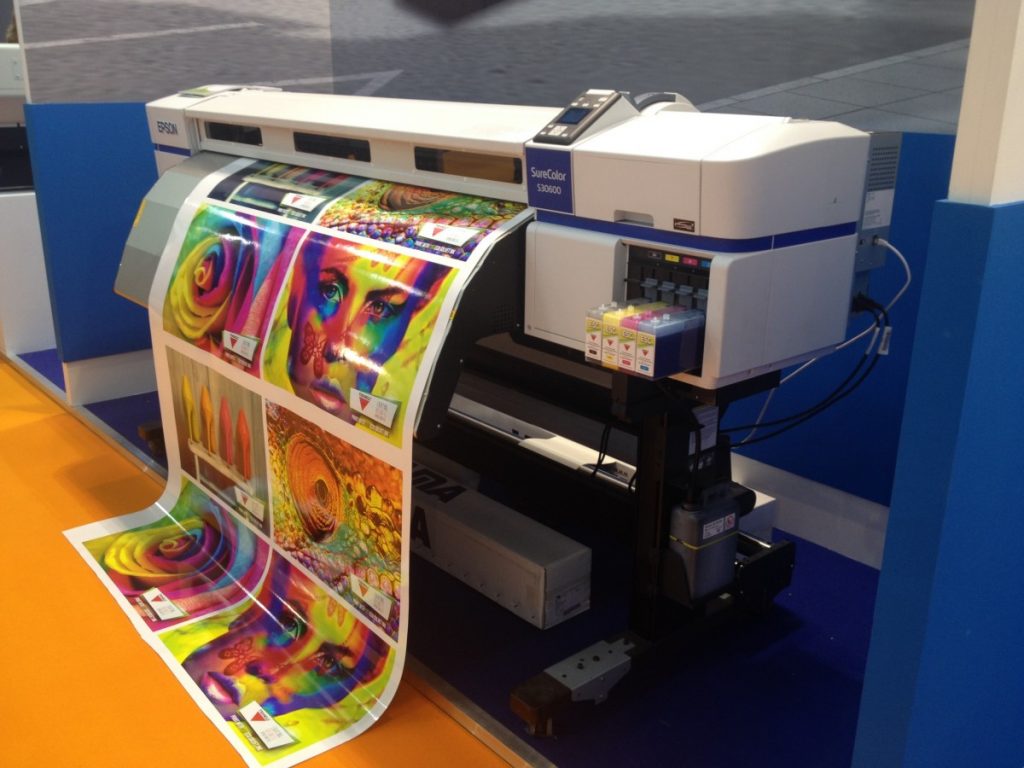
Printing technology is constantly evolving. There are many different types of printers and each one has its own pros and cons. Laser printers are the most common type of printer being used today. They are often cheaper to purchase and maintain than an inkjet printer but they do not print as quickly or in as high quality as an inkjet printer. Inkjet printers are typically more expensive to purchase but they print faster, have better quality, and can produce a wider variety of colors than a laser printer.

The cost of printing technology has been steadily dropping over the years which has made it much more affordable for companies to implement printing into their business model. As printing technology continues to evolve, this poses serious challenges to printer repair service centers such as the HP printer repair Dubai which exclusively caters to HP printer products.

Challenges of a Printer Repair Service Center in a Quick Read

The future of the printing industry is not looking bright and it is not likely to get better. As the number of printers in use increases, so does the number of printer service centers. With this increase in demand, we will see an increase in the challenges that these service centers are facing.

1. Flexibility. The industry is filled with many different types of printers and this makes it difficult to offer a one-stop service center. Instead, these service centers must be able to accommodate the needs of any printer that comes through their doors.

2. Complexity. This may seem like a good thing due to the increase in variety, but it also means increased complexity for everything from customer relations to inventory management and more. This can lead to frustration on both sides so service centers must maintain an efficient and flexible approach to ensure their customers stay satisfied.

3. Future of traditional printers. Traditional printers are on the decline in popularity because they are not as affordable or convenient as newer models. This will take a significant toll on the service center industry down the road due to a lack of replacements for these older models that may require more maintenance time for service staff members.

4. Competition in certain areas. There are certain areas where it is already competitive with other types of printing, such as graphic design, marketing, and online printing. This puts service centers in a difficult position because they may not be able to offer all the services their potential customers are looking for.

5. Unending growth of technology. There has been an overwhelming increase in the use of technology and the production and printing of products due to the advancements in technology. This is a boon for service centers because they offer many opportunities that their customers may seek out now compared to before.

Read also: Benefits of Technological Literacy

6. Decisions based on customer feedback. Service centers can learn about their customers by checking social media, text messages, and email responses before making decisions regarding new services or how current services are being received by them.

7. Cost Cutting Measures. Service centers will continue to find ways to keep costs down because of the growing competition. This will continue to be a benefit for service centers.

8. Time is money. Service centers that have developed their own internal processes and procedures are able to save time and money by implementing them on their own in order to reduce waste and improve communication between employees.

9. Employees’ satisfaction increases with increased job satisfaction. Increasing job satisfaction among employees will lead them to be more satisfied with their jobs and therefore collaborate more efficiently, which can ultimately help service centers conduct business more smoothly.

10. Increased productivity. As service centers have shifted to become more efficient, they are able to increase the productivity of their employees and improve the quality of the services they provide.

The Future of Printing Technology

The future of printing technology is a topic that’s currently being debated by scholars and industry experts. One opinion is that the printing industry will adapt to an online, digital world, and will rely on 3D printers for all its needs. Another opinion is that traditional printing will have a long-term future because it offers speed and accuracy.

Things to Do Before a Phone Upgrade

You might be an early adopter who wants the newest model. You might have cracked your phone’s screen or dropped it in water by accident. Or you find that you don’t have enough space because you’ve added one too many apps, photos, or movies. No matter why you need a new phone, it’s time to go shopping. With a little planning, upgrading to a new phone can be a smooth process.

Backup

You haven’t been putting things back? Then start by doing this. Do this right now, before that screen breaks, your phone gets wet, or your heart gets set on the newest model. If you’ve used tools to save your phone’s content and settings, switching to a new phone will be much easier.

Tools made just for phones

Tools made for the platform and apps made by other companies can help. Both iPhones and Pixel phones can be backed up on a computer or in the cloud. For example, you can back up your iPhone’s settings, data, and passwords if you choose to run an encrypted backup. Then, when you get your new phone, your data will be ready to be moved.

Third-party tools for backing up

You can also use apps made by people other than Apple. One way to regularly back up your Android phone is to use SMS Backup & Restore. You can also get help from wireless service providers. As you might expect, moving from one platform to another can make it harder to move your information. 

Your old cell phone

What’s left to do now that you’ve backed up your data and put it on your new phone? You can do a few things with your old phone. But first, you’ll need to reset your old one to factory settings. Remove any accounts you had for cloud storage from your old phone. Then, put it back to its original settings.

How Social Media is Changing Technology

Social media is changing the perspective of how people interact with technology because it has made communication easier for them and has allowed them to create new communities on a global scale.

It is difficult to keep up with the rapid changes in technology. For example, social media sites like Facebook and Twitter are now changing how we communicate with each other.

Social media is one of the critical aspects of our lives. It has changed how we communicate and interact with others, how we work, how we share information, and even how we think.

The majority of people now use social media for a variety of reasons. They can use it to build relationships, work or stay connected to others worldwide. For example, many kids are using social media to keep in touch with their friends from school who live far away from where they live now. Businesses also use it as a marketing tool to stay connected to customers and increase their business by providing them exclusively. Brands need cheap smm panel to attract followers.

How companies and leaders operate has evolved to meet the demands of the 21st century. The old ways of governance and leadership don’t work as well anymore. Many corporations are growing out of brick-and-mortar buildings, outsourcing their customer service, and expanding to new markets in remote areas. This is due to social media connecting people across the world.

These changes have given birth to new leaders in many fields and organizations who seek different longevity than previous generations: more focus on digital presence, networked organizations, large online communities, creative use of social media, and so forth. We live in a time when traditional leadership models are eroded by a more networked form of leadership that leverages these digital tools.

How Social media is used for business and communication

There are many ways in which social media is today’s tool for communication, and it is used for business purposes.

  • Businesses have always been looking for the best way to communicate with their audience, and Social media is a perfect way.
  • Social media is a platform that offers endless opportunities to share content and has options to explore its potential in different ways.
  • A social media account enables businesses to communicate with customers on a personal level. Today’s platforms offer an excellent opportunity for business communications online.

Social media is an integral part of our lives. It’s how we communicate; it’s how we study; it’s how we navigate the world and find out the events in other parts of the planet. We use social media for every aspect of our lives, and it’s also been a big part of economic growth.

Do not play down the power of social media to be a catalyst for change. Social media can bring people together with shared interests and connect those interested in specific topics or ideas.

How our lives have been changed by social media and technology

With apps that are connected to social media, we can find out what our friends are doing. We can post our thoughts, ideas, and pictures to share with the rest of the world.

Social media apps have been integrated into our lives over the past few years, and there is no turning back. With so many ways to connect in this day and age, it is easy for us to forget about all the traditional means of communication we have come to know and used for most of our lives.

Hospital Technology and the Transformative Impact on Health Care Delivery

In the digital world, technology is more than just a commodity. It has the potential to transform lives and make people healthier.


Healthcare technology is fast-changing and increasingly reliant on artificial intelligence to solve problems, provide insight, and predict outcomes for healthcare providers. AI can help hospitals use resources more efficiently, giving providers like nurses and doctors more time with patients as they diagnose and treat them.

Doctors rely on AI assistants to help with diagnosis, study new therapies without interfering with their treatment plans, and schedule surgeries or appointments with other doctors–providing them a faster tool for improved efficiency. These tools increase efficiency in hospitals by providing instant access for the needed specialists when it’s impossible for them to be there at the right time.

The Importance of Hospital Tech in Patient Care & Quality Outcomes

In the recent past, the health care field has seen rapid growth in technology usage. This shift in patient care has brought about many positive changes for patients by improving quality and outcomes.

Technology is seen as a means to an end for the healthcare industry. The primary goal of health care tech is to improve the quality of patient care and help achieve high-quality outcomes.

With digital health going mainstream in recent years, hospitals have been able to deploy technology that improves their efficiency and effectiveness while delivering better service to their patients.

How Technology Helps Us In Our Daily Lives

In today’s world, technology is all around us. A straightforward definition of technology is essentially the knowledge and usage of crafts, techniques, tools, methods, and systems of a company with the aim of solving an issue or serving a specific purpose. Technology is usually changing as more inventions are brought forward to boost our day-to-day lives.

Education
Technology has been gradually integrated into the worldwide education system over the years. Better ways of passing knowledge and data to students are realized thanks to this. Technological advancements in teaching and assessment have made it possible for learning institutions to become more practical and efficient. Students don’t need to use old and outdated textbooks anymore as there are lots of digital and online learning materials available today. There’s also e-learning that allows people to review from wherever they’re without physically attending classes or lectures.

Communication
Technology has also immensely helped in day-to-day communication and sharing of knowledge. Communication isn’t because it wont to be a decade ago. Since the invention of gadgets just like the itinerant and also the computer, day-to-day communication has been made easier. The establishment and growth of the planet Wide Web also are evidence of how technology has made communication and interaction easier on a world scale. Social media sites like Facebook and Twitter have made interaction easier and fun at the identical time.

Health
The health sector has also not been left behind as numerous technological advancements have made it easier to diagnose and treat a large range of illnesses. Modern hospitals are equipped with the most recent tech gadgets that help doctors and nurses to raised be sure and assist their patients. Technology has played a vital role to keep such a lot of people alive through life support machines and other specialized health equipment. Technology also aids in the research of the latest medicines and cures that are beneficial to the complete humankind.

Business and Commerce
Business isn’t as was common since the net came into this world. People now do not need to do business at marketplaces and other physical locations. In today’s world, you’ll be able to purchase almost anything you would like online. Countless online businesses are established to feed the ever-growing demand for online products and services. Technology has therefore led to the invention of e-commerce which is liable for uncountable business transactions on a usual.

All in all, technology evidently plays an enormous role in our daily lives. Without these new inventions and new ways of doing things, our world would remain stagnant, and there would be no hope for mankind. Innovators and inventors from everywhere on the planet are encouraged to return up with new inventions and new ways of doing things so as to create the planet a more robust place.

The Importance of Technology-Driven Innovation

The key theme of Forrester’s marquee conference, Digital Transformation and Innovation 2019, was how innovation could be a critical enabler for advancing digital transformation. The event, which was held May 14-15 in Chicago, attracted an outsized number of C-level business leaders and decision-makers from multiple industries.

The experts at the event broadly acknowledged the difficulties that underpin successful digital transformation, offering suggestions and concepts for businesses to strategize, plan and execute their transformation initiatives. They were tired agreement that mastering technology-driven innovation plays an important role in any company’s transformation journey.

And although we visit a “journey,” digital transformation isn’t a destination. You don’t transform your business and say, “I am done.” The markets will still change. The technology landscape will still change. So, your business has to continuously adapt.

Technology Drives Innovation

We are seeing an excessive amount of “digital sameness” nowadays. Apps, web pages, and user experiences offered by key players across the industry are similar. So how do companies differentiate and grow? Disruptive innovation is the answer. Technology-driven innovation involves rapid technology experimentation with the aim of unleashing disruptive change.

This rapid experimentation provides insights that help businesses make informed decisions on which technologies and innovations to embrace and which to ignore, understand which platforms and products hold promise, and determine where to position bets.

The challenge isn’t that technology is changing rapidly. It’s that companies have to understand technology better and more quickly so as to adapt it fast enough to stay the pace.

Three of the conference tracks focused on technology-driven innovation: Core Transformational Technologies, Emerging Technology, and therefore the way forward for Work. Each track was hosted by some different Forrester analysts and consisted of sessions designed to assist educate and encouraging business leaders on these foundational topics.

Core transformational technologies. Embracing core technologies driven by cloud, microservices, low-code, APIs and intelligence is critical to maintaining rapidly shifting business models. It’s also important for businesses to inform a story about why investment in new technology is critical. While that story should include best practices and lessons learned, it is important to also share ways to use success in cloud platform adoption to modernize applications. This shows the necessity to speculate on core technology as a business asset, not a price center.

Emerging technology isn’t about all the new buzzwords — it’s about business plans thoughtfully crafted and structured for execution. Through the correct structured emerging technology experimentation and adoption plans, businesses understand the way to leverage new technologies to form a path to differentiation, disruption, and growth. it had been great to work out Dell Boomi get a shout-out within the AI and IoT session for powering Briggo, the primary automated robotic coffeehouse.

The future of labor is changing. Adaptive enterprises understand how to reply to rapidly changing customer, technology, and competitive trends. These technologies are creating job gains, job losses, and job transformations. To plan for the workforce, in the long run, businesses have to understand where they have to take a position in automation. during this new workforce, robotics quotient (RQ) — scoring a corporation or individual’s ability to figure effectively with robots — drives considering automation and AI becomes critical.

Technological Influence on Society

One aspect of technology that has had a good impact on society is how it affects learning. It’s created discovering more interactive and communal, this enables people to sufficiently engage with the material that they’re learning and have problems with. Also, it gets you better access to resources. The creation of the web gives us access to information at a twenty-four-hour rate and you have got access to almost anything online. additionally, it allows students to urge work done easier. Students can take quizzes and exams more easily, and teachers having the ability to carry out online classes will be very effective.

Another way technology has impacted society is thru communication, how we converse and communicate with each other worldwide. Technology brought many new methods of transmission. For instance, there are emails, and social networking, you’ll facetime someone that lives on the opposite side of the planet, and there’s video conferencing where you’ll be able to have conferences electronically. There are many innovative apps on phones that although people to observe their weight, what percentage of calories they intake, heart rate, and other health properties at any time of the day. There’s the grown accessibility of remedies available, there’s the shift in healthcare that adds usefulness for the elderly, and hospitals using developed technology within their surgical rooms.

However, studies show that mobile communication affects people in an exceedingly negative way when it involves being sociable and making face-to-face contact. Mobile technology can reduce communication and connections between individuals. There’s less personal time, where you discover that you just don’t have enough time for yourself because you’re always in touch with someone. Also, it may be distracting from your schoolwork. there’s also a loss of privacy because anyone can find you anywhere, at any time of the day. Finally, all of those things impact how humans act today. Without technological progress, our way of life wouldn’t be as intricate. Technological influences shape the way humans act today.

Benefits of Technological Literacy

In a very world permeated by technology, a person can function more effectively if he or she is accustomed to and includes a basic understanding of technology. The next level of technological literacy within us would have a variety of advantages, for people and for society as an entire.

Improving higher cognitive process
Technological literacy prepares individuals to form well-informed choices in their role as consumers. The planet is filled with products and services that promise to create people’s lives easier, more enjoyable, more efficient, or healthier, and more and more of those products appear once a year. A technologically someone cannot know the way each new technology works, its advantages and downsides, the way to operate it, and so on, but he or she will learn enough about a few products to place it to good use or to decide on to not use it.

Americans aren’t only consumers; they’re also workers, members of families and communities, and citizens of an oversized, complex democracy. All told of those spheres, they face personal decisions that involve the event or use of technology. Maybe a local referendum on issuing bonds for the development of a brand new station is a wise use of taxpayer dollars? Does an inspiration to locate a replacement waste incinerator within several miles of one’s home pose serious health risks, as opponents of the initiative may claim? How should one react to efforts by authorities to position surveillance cameras in high-crime areas of the city? Technologically literate people are going to be far better able to address these and plenty of other technology-related questions.

Decision-making isn’t only personal. Leaders in a very kinds of sectors, including business, government, and also the media, make decisions daily that affect what others—sometimes thousands or maybe innumerable people—think and do. These individuals, specifically, will get pleasure from a substantial understanding of the character of technology, and an awareness that each technology involves trade-offs and should lead to unintended consequences. With a better level of technological literacy within the nation, people in positions of power are more likely to manage technological developments in a way that maximizes the advantages to humankind and minimizes the negative impacts. Of course, there’s no hard-and-fast line between purely personal concerns and business interests, the requirements of states, and also the needs of the state. In most cases, the private interests of everyday Americans do influence decisions by policymakers and company CEOs.

Some concrete examples can illustrate the importance of technological literacy to decision-making at the least bit levels. The following three sections present descriptions of current issues that need decision-making of some sort. The primary is that the use of car airbags relates mostly to the concerns of individual citizens. The second addresses genetically modified foods, a difficulty relevant to individuals, who must decide which foods to shop for at the grocery store; policymakers, who must take into consideration regulatory, trade, and other considerations; and therefore the biotechnology industry and farmers, the 2 groups most accountable for creating and selling such products.

How Technology Affects Communication

For better or worse, technology affects communication because it’s part of our everyday lives. It impacts the way we work, entertain ourselves, and stay in-tuned. you would possibly see the typical elementary-aged child with their head buried in an exceedingly smartphone and tempted to require a dark outlook on what technology has done to us. But is it all bad?

From a business perspective, you’ll argue that technical communication is useful. With this in mind, here’s a breakdown of everything you wish to grasp about how technology affects communication with customers, plus the way to use these developments to your advantage.

How Has Technology Affected Communication?
Technology communication affects us continuously. As we make technological advances, new trends in communications emerge and sometimes become the norm. Machine learning and computing will have a major impact on how we communicate. Chatbots currently field over 25,000 conversations per month. Furthermore, 75% of all companies now use automation tools.

Is Technology Good for Communication?
There are pros and cons to the ways we use technology to speak with customers.

It allows you to trace conversations and thus provide better customer service. Tech also makes it easier to assemble customer insights and improve the whole customer experience. However, some fear technology affects communication by hindering our ability to make relationships with clients and can result in brands becoming faceless entities. the reality is that as long as you’re conscious of such pitfalls, you’re less likely to fall victim to them. There are more ways to use technology communication to create customer relationships than you will have realized.

Yes, technology affecting communication has its downsides. But doesn’t everything? It’s totally possible to use technology to speak effectively and efficiently with customers. In some cases, you’ll be able to even use tech to strengthen customer relationships by communicating at the correct time and creating a way of community. this is often particularly true as your business grows and you wish to implement some quiet tool or software to assist you to stay in grips together with your team or your customers.

Making Technology More Accessible To More Students

Digital equality and digital equity were also terms our team heard again and again while connecting with educators at recent education conferences. As education changes and firms rise to the occasion, the new standard isn’t almost using tech to spice up learning gains (even though that’s awesome) but doing so in an exceedingly way that’s more accessible than ever before.

The Issue
First, we’d like to know – both as companies and a bigger education community – the problems we’re talking about. the primary is basic broadband access. A 2015 Pew report revealed that 15% of yank families with income between $30-50k a year don’t have access to the web. Once we think about mobile devices, we discover that 10% of USA citizens own a smartphone but don’t have the other style of high-speed internet access reception beyond their phone’s data plan. Similarly, U.S. Census Bureau’s American Community Survey data indicates that “5 million households with school-age children don’t have high-speed internet service reception.” in a very nutshell: access isn’t there yet. Digital equity isn’t there yet. And we’re seeing a giant homework gap thanks to it.

After we jump the net hurdle, there’s still the question of digital tools that boost learning gains and classroom connectivity. which does so in a way that’s beneficial to all or any students. this suggests freemium models, low-cost platforms and devices, smartphone-friendly programs, and tools that educators can use impactfully without a degree in instructional design.

Digital Equality vs. Digital Equity
Quick sidebar. We’re fascinated by exploring digital equity – how we engineer powerful learning experiences for all children that may yield identical learning outcomes and progress. Edtech is rising. It’s growing and doing more for schools. And we’re genuinely fascinated by being a part of that growth and alter. But after we innovate, we don’t want it to be for a picked few classrooms. we wish it to be for any student who may gain an advantage from what we’re doing. That’s why we were listening. That’s why recent pieces about homework gaps and also the digital divide have us being attentive.

A Few Ideas About What we will Do
We’ll get the conversation started. we are able to consider some of the things that companies like us will be doing to extend equity when our tools are given to a whole classroom. This includes designing tools that are mobile-friendly and software package agnostic. we’ve also found that creating tools that are free for teachers and students yields a chance to experiment, take risks, and ultimately find tech that’s the most effective match for his or her needs. And everyone before a penny is spent or processes are scaled to serve dozens of classrooms without delay.

Getting further into the weeds, we’ve considered ways we will ensure all students have a meaningful experience with a tool by making it easier to use. no matter a teacher’s comfort level with a platform, students should have impactful interactions with a tool across classes. A few more ideas? The way we see it, our companies will always be advocates of initiatives that expand digital access to any or all members of a faculty community. Examples include proposals from both the govt and personal sector to supply free internet access to all or any Americans. this is often awesome. So is this. All about it.