Teen Mental Health: Leveraging Technology for Therapy Advancements in Washington State
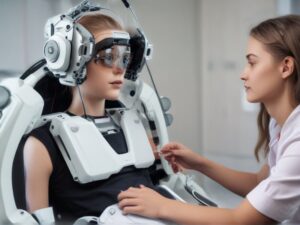
Adolescents often find themselves navigating a complex landscape of emotions, stressors, and societal pressures. This delicate stage of development requires specialized attention and support to ensure the well-being of teenagers. In Washington State, as in many parts of the world, there’s a growing recognition of the need for innovative approaches to address teen mental health concerns. Leveraging technology presents a promising avenue for teen mental health therapy in WA advancements that cater specifically to the needs of adolescents.
Understanding Teen Mental Health Challenges
Teenage years are marked by significant biological, psychological, and social changes. Hormonal fluctuations, peer pressure, academic demands, and familial dynamics can all contribute to the onset of mental health issues. Anxiety, depression, substance abuse, and eating disorders are among the most prevalent challenges faced by teenagers today.
Traditional Therapy Limitations
While traditional forms of therapy, such as in-person counseling sessions, have long been the cornerstone of mental health treatment, they come with certain limitations, especially for teenagers. Accessibility, stigma, and scheduling conflicts often act as barriers to seeking help. Additionally, adolescents may feel more comfortable expressing themselves through mediums familiar to them, such as technology.
The Role of Technology in Therapy Advancements
Teletherapy: Breaking Down Barriers
Teletherapy, or online counseling, has emerged as a game-changer in the field of mental health. By utilizing video conferencing platforms and secure messaging systems, therapists can connect with teenagers in Washington State regardless of geographical constraints. This not only improves access to care but also reduces the stigma associated with seeking help.
Mobile Applications for Mental Wellness
In an era dominated by smartphones and digital connectivity, mobile applications have gained traction as tools for promoting mental wellness. From meditation apps to mood trackers, there’s a plethora of resources available to teenagers in Washington State to manage their mental health proactively. These apps offer personalized support, coping mechanisms, and educational content tailored to the needs of adolescents.
Virtual Reality Therapy
Virtual reality (VR) technology has paved the way for immersive therapy experiences that resonate with teenagers. By creating simulated environments, VR therapy allows adolescents in Washington State to confront their fears, practice coping skills, and build resilience in a safe yet engaging setting. This innovative approach holds particular promise for treating phobias, PTSD, and social anxiety among teens.
Collaborative Efforts for Progress
The advancement of therapy through technology in Washington State requires a collaborative effort from various stakeholders. Mental health professionals, policymakers, educators, and technology developers must work together to ensure that innovative solutions are accessible, evidence-based, and culturally sensitive.
Addressing Ethical and Privacy Concerns
As with any technological innovation, the integration of technology into therapy comes with ethical and privacy considerations. Safeguarding the confidentiality of patient information, ensuring informed consent, and maintaining professional boundaries are paramount. Mental health providers in Washington State must adhere to stringent ethical guidelines and stay abreast of evolving regulations in the digital landscape.
The Future of Teen Mental Health Care in Washington State
As technology continues to evolve, so too will the landscape of teen mental health care in Washington State. From artificial intelligence-driven interventions to virtual support communities, the possibilities for innovation are limitless. By harnessing the power of technology, we can empower teenagers to take control of their mental well-being and lead fulfilling lives.
Also read: Embracing Digital Tools to Elevate the Level of Education
Conclusion
In Washington State, the convergence of teen mental health needs and technological advancements presents a unique opportunity for therapy innovations. By embracing teletherapy, mobile applications, and virtual reality, we can revolutionize the way adolescents access and engage with mental health care. Together, let us pave the way for a future where every teenager in Washington State has the support they need to thrive emotionally and psychologically.
 Actually, each model, whether hanging as pendant light lamp shades or as branch-style crystal chandeliers, has its own set of different functions that can be remotely activated via a control panel located at the base of each lighting fixture. The following are other examples of such functions:
 Remote controlled lighting systems are ideal for large spaces like restaurants and hotels, which allow the turning on or off of the lighting system, even as the remote controller is situated in another room. Remote controlled lighting systems are also advantageous in
  The fusion of technology and marketing has revolutionized the way businesses interact with their customers. Marketing agency calgary is at the forefront of this transformation, navigating a complex digital labyrinth to deliver innovative and personalized campaigns.

 In home improvement and exterior design, the task of Skilled Fencing has been transformed by the advent of technology. Gone are the days when this chore was purely manual labor, requiring only a hammer, some nails, and a good deal of elbow grease. Today, technological advancements have revolutionized the way fences are planned, designed, and installed, making the process more efficient, accurate, and even enjoyable.




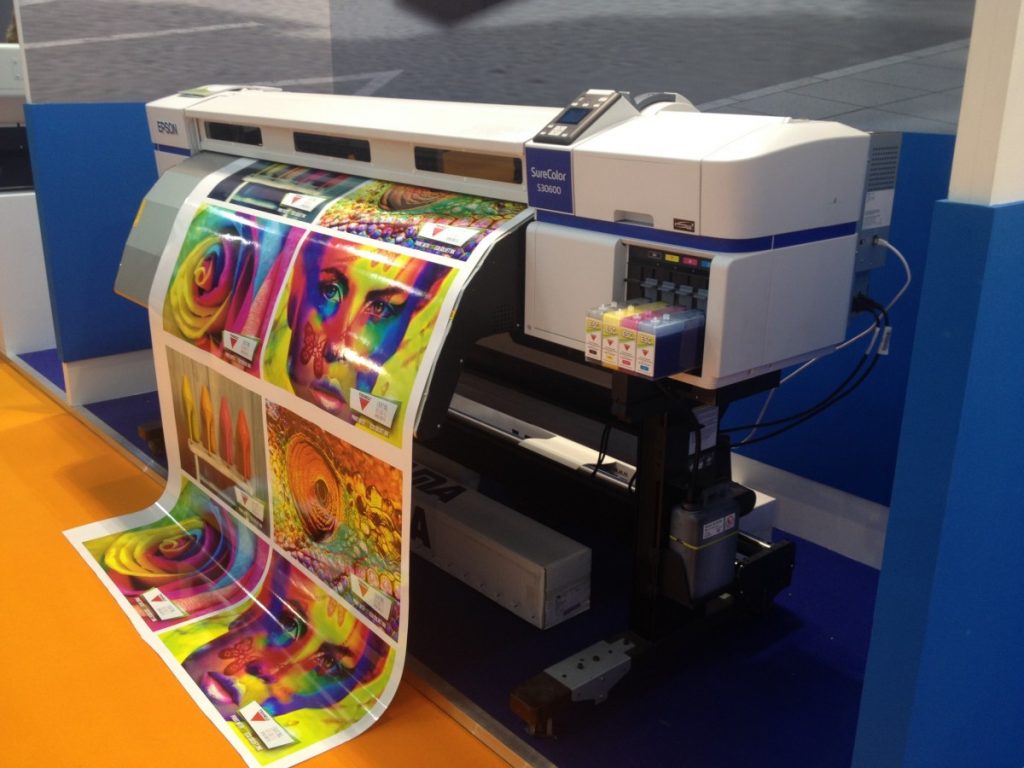

 In the digital world, technology is more than just a commodity. It has the potential to transform lives and make people healthier.








 Reverse Osmosis:

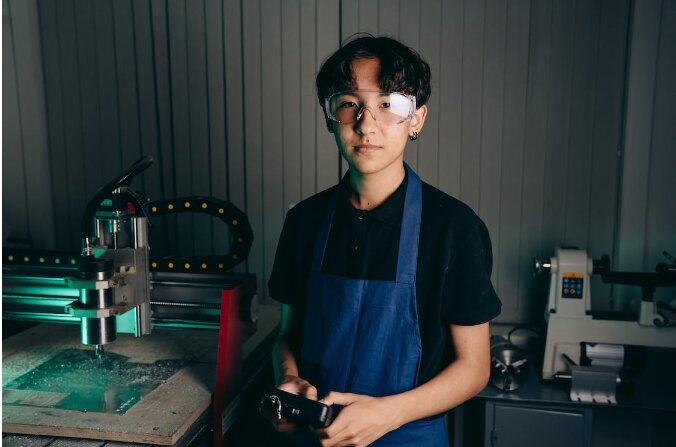
 Apparently, drills have taken different forms, sizes and uses during the Roman times through the mediaeval ages. These were the eras when construction of churches and castles necessitated boring holes in different building materials.
 In 1978, Japan’s Makita did something better, by using a removable and rechargeable 7.2 V nickel-cadmium battery pack. This made owning a cordless power drill affordable for many DIY enthusiasts. However, nowadays, there are numerous brands to choose from, all claiming to be the cheapest and best. It would be wise therefore to refer to the online guide published by ToolPick UK.
 Technology continually shapes our lives; even the humble awning has radically transformed. Gone are the days of simple fabric coverings providing shade and protection. With the integration of cutting-edge technology, awnings have evolved into sophisticated outdoor solutions that offer enhanced comfort and a truly immersive experience. In Italy, technology-enhanced awnings (tende da sole) are available in Brescia. Let’s explore how technology has revolutionized awnings, making them a must-have addition to any outdoor space.



 In the fast-paced world of anime, where fantastical worlds and vibrant characters come to life, Funimation has emerged as a shining star. Funimation has changed the way we watch anime! With tons of content, an excellent user experience and a fully-fledged website, their library is unlike anything that you’ve seen before. Now it’s time to get ready to enter the world of excitement and entertainment. Check the Funimation account sharing to enjoy watching more anime.

 The world knows little of Australia’s foundation underpinning technology and why it’s needed. Through this post, gives readers a closer look at the concept, to help them understand why and when underpinning measures are necessary.
 Underpinning technologies are solutions that serve as remedies in strengthening the foundation of a house or building. This is accomplished by skilled experts who reinforce existing foundations by adding or injecting an expanding filler to the soil on which a structure was built. Other underpinning measures involve extending the foundation as a means of distributing the weight of the house over a larger surface area.
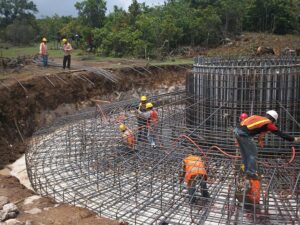 There are mentions of different underpinning technologies such as chemical grout injections, grout block installations, or using a plasticizer called Microfine Cement. Yet these are specific underpinning techniques used by ground specialists in strengthening the soil used as building or house foundation.
 Finding answers to address concerns that not everyone encounters is no longer as difficult ever since Google came up with its search engine technology. Based on keywords or key phrases, the computer program searches and identifies the websites carrying the most relevant information.
 When it comes to generating search page results, every Search Engine uses its own set of algorithms. This denotes that a website appearing in the first page of Bing’s SERP might not appear in the top page of Google’s SERP. Google’s Search Engine algorithms are more complex as they evaluate all key elements of every web page when ranking sites for content relevance.
 Understanding how Search Engines work makes it easier to comprehend the importance of using Search Engine Optimization or SEO strategies. There are certain practices and key elements such as page title, keyword density, content subheadings, and external and internal links that must conform and follow the indexing systems used by a Search Engine.
 During the past decade the Saudi Arabian government launched initiatives that aimed to make the kingdom, one of the world’s most technologically advanced countries. Last year, the country came out with flying colors for achieving excellent ratings based on the World Bank’s GovTech Maturity Index (GTMI) for 2022. To date, the Kingdom now ranks as the third most technologically advanced nation, whilst indexing it in the 2022 GTMI report as one of the world’s very developed countries.
 Last year, in a press conference in Washington DC, the World Bank announced Saudi Arabia’s excellence for achieving an overall general maturity rate of 97.13 percent. The 2022 GTMI report showed KSA’s scores in all four aspects:
 Not unless you are a plumber or someone who has had hands-on training from a professional plumber. Now here’s the thing: there are innovators out there who have been developing technologies that can lessen or at least reduce physical contact with plumbing hardware. Doing so prevents touching of fixtures and other components of plumbing systems.
 Through the years, the plumbing industry had seen how tech advancements improved plumbing systems especially in public restrooms, washrooms, toilets and urinals. Although many of these innovations are related to improvements in the way people practice hygiene and sanitation, in recycling, as well as in conserving water, they have made plumbing systems more complicated.
 Smart Pipes are the latest plumbing innovations that take advantage of the Internet of Things (IoT). The smart plumbing system’s sensor can detect busted pipes while the app-user is linked to a smartphone application installed in a homeowners communication device. The app then sends a notification to the homeowner, enabling the latter to arrange for a professional plumber to check and address the matter as soon as possible.